
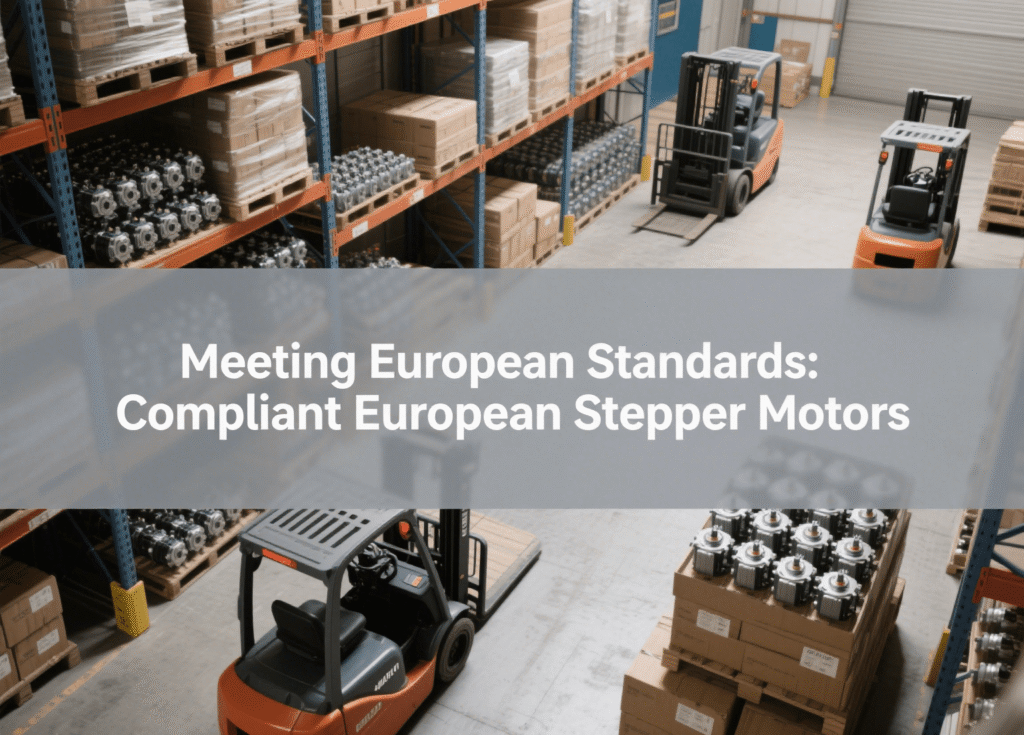
Meeting European Standards: Compliant European Stepper Motors
Europe’s industrial automation and precision engineering sectors demand stepper motors that meet stringent regulatory, safety, and performance criteria. For manufacturers targeting this $214+ billion market, compliance isn’t optional—it’s the gateway to competitiveness. This article dissects Europe’s regulatory landscape, high-value applications, and actionable strategies for designing and distributing standards-compliant stepper motors.
I. Why Compliance Matters: Europe’s Regulatory Framework
- CE Marking: The Non-Negotiable Passport
The CE mark is mandatory for over 30% of industrial products sold in the EU, certifying conformity with health, safety, and environmental standards. Stepper motors require CE certification under:- Low Voltage Directive (LVD): Electrical safety (e.g., dual-voltage 230V/400V systems).
- EMC Directive: Electromagnetic compatibility to prevent interference with medical or automotive systems.
- RoHS/REACH: Restriction of hazardous substances (e.g., lead-free soldering) .
- Industry-Specific Certifications
- ATEX/IECEx: Explosion-proof motors for oil/gas and chemical plants (e.g., Rotor NL® motors with IP66/IP67 ratings).
- ISO 13485: Medical device motors requiring traceability and contamination resistance (e.g., MRI table positioning systems).
II. High-Value Application Case Studies
Table: Compliance-Driven Stepper Motor Use Cases in Europe
| Industry | Application | Compliance Requirements | Leading Models |
|---|---|---|---|
| Industrial Automation | CNC milling tools (Germany) | IP54 dust/water resistance, ≤75 dB noise | Kollmorgen T2 Series (3 Nm torque, 3,000 RPM) |
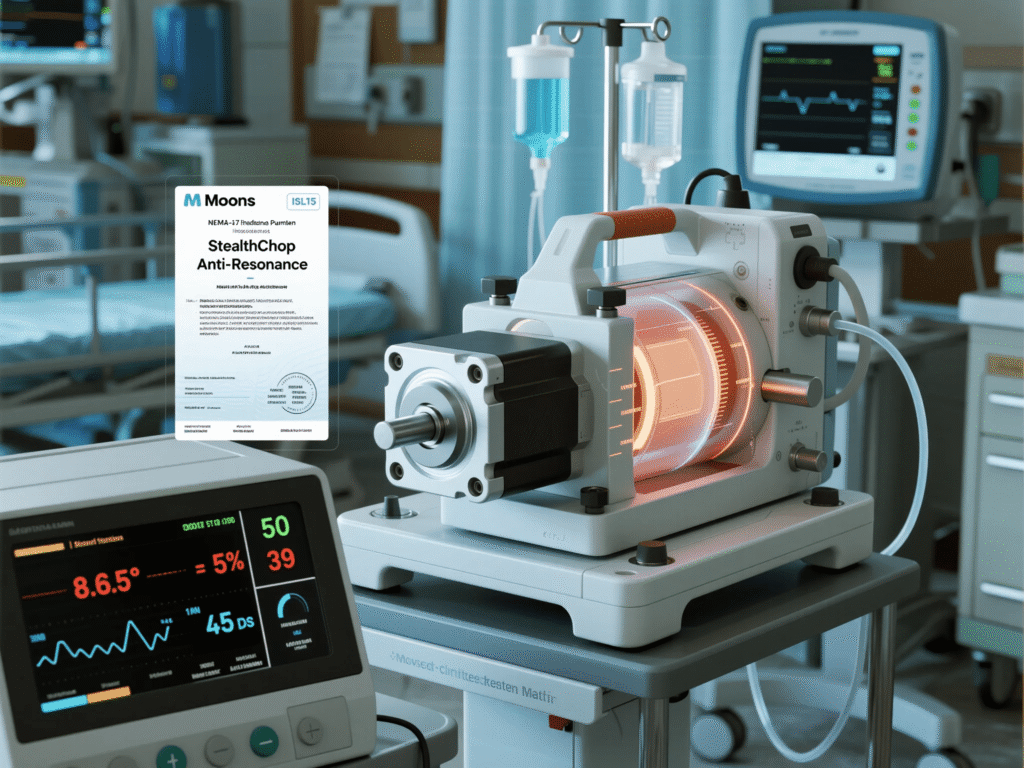
| Medical Devices | Infusion pumps (Netherlands) | Biocompatible materials, ±0.05° microstepping | Moons’ NEMA 17 with StealthChop™ |
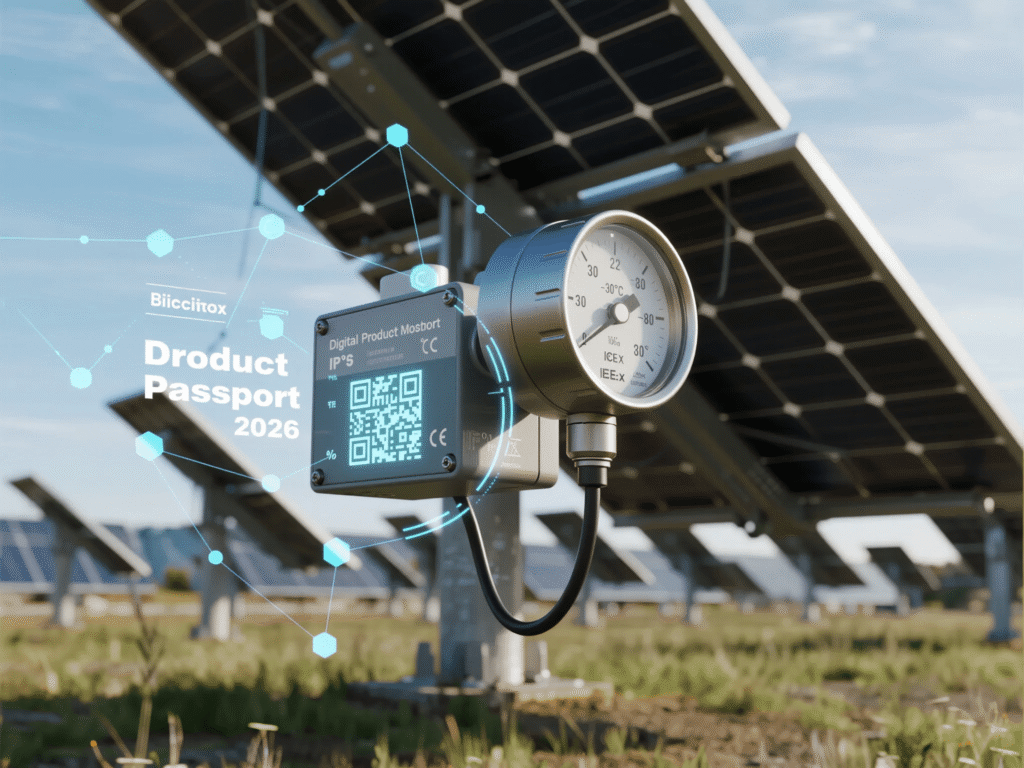
| Renewable Energy | Solar trackers (Spain) | IP65 weather resistance, -30°C to 80°C range | Rotor 6RN180M04E32U46R (0.18-2500 kW) |
| Automotive | EV battery assembly (France) | Vibration damping, 120V DC compatibility | Wilhelm Vogel UEF30 gear-integrated motors |
- Robotics in German Automotive Plants
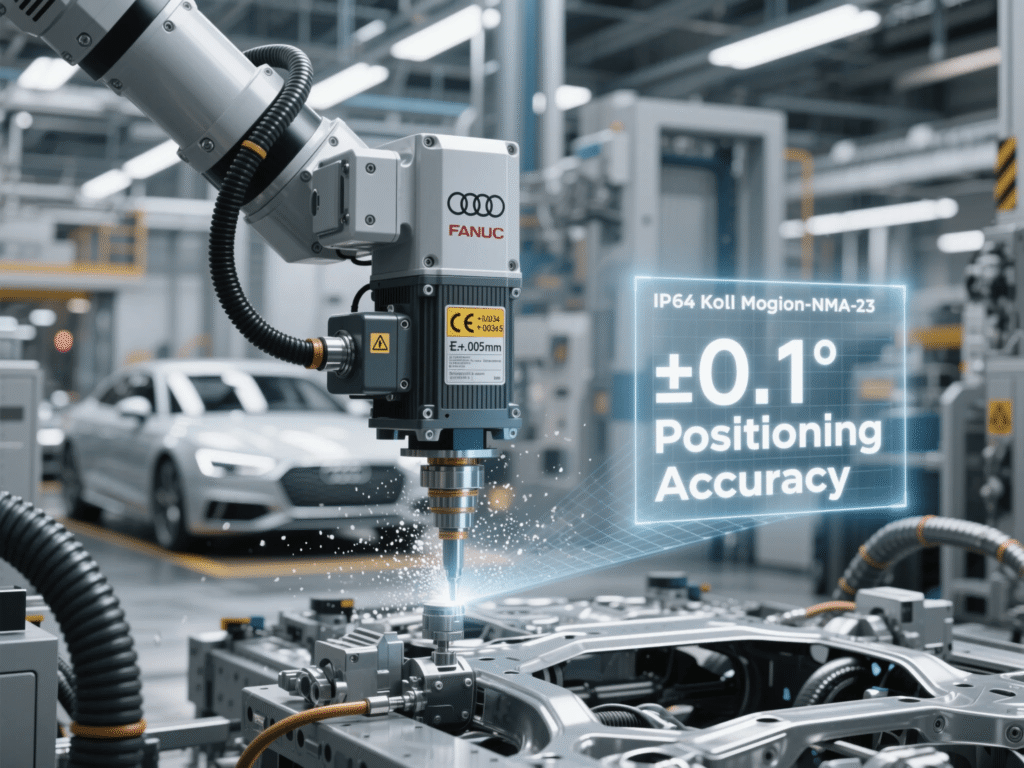
Kollmorgen’s NEMA 23 motors (60 mm frame, 3 Nm torque) power FANUC welding arms. Their IP65-rated housings withstand metal particulate exposure, while built-in encoders ensure ±0.1° positioning accuracy—critical for Audi’s zero-defect production lines. - Dutch Agritech Monitoring Systems
Rotor’s IEC-compliant motors (IP66, F-class insulation) drive grain silo actuators in Rotterdam ports. Their anti-corrosion coatings withstand ammonia-rich environments, reducing failure rates by 40% vs. non-compliant alternatives.
III. Design Imperatives for Compliance
- Material Selection
- Magnets: Neodymium-free options to bypass rare earth supply risks (e.g., ferrite cores in Wilhelm Vogel motors).
- Housings: Thermoplastic composites for chemical resistance (mandatory in chemical plants per EN 60034-5).
- Performance Enhancements
- Encoders: Integrated closed-loop feedback (e.g., Kollmorgen’s T2 Series) meeting EN 61800-7 safety torque off requirements.
- Thermal Management: Self-cooling designs for continuous duty in Italian foundries (ambient temps >45°C).
IV. Market Entry Strategies
- Certification Partnerships
Collaborate with EU-notified bodies like TÜV SÜD for accelerated CE/ATEX testing. Example: Chinese brand INOVANCE cut certification time by 60% via pre-compliance prototyping . - Localization Tactics
- Language: French/English manuals (required in Québec per CSA C22.2 No. 100) .
- Inventory: “Warehouse-in-Warehouse” models with German distributors (e.g., Siemens’ Frankfurt hub) to bypass 12-week customs delays.
- Distributor Alignment
Target specialists:- Industrial Giants: Siemens (CNC systems)
- Tech Innovators: Tulip Networks (IoT motor controllers)
V. Future-Proofing: Emerging EU Regulations
- Ecodesign Directive 2027
Mandates 30% energy reduction vs. 2023 baselines. Solution: CoolStep™ technology (e.g., Moons’ motors) cuts idle power by 75%. - Digital Product Passports (DPPs)
From 2026, motors require QR codes detailing materials, carbon footprint, and recycling data—prepare blockchain-based traceability systems now.
Conclusion
European stepper motor compliance hinges on technical precision (torque density, thermal resilience) and regulatory agility (CE/ATEX/ISO certifications). Manufacturers who embed standards into design—not just final inspections—will dominate high-margin sectors like medical devices and renewables. Partner with EU testing bodies early, localize support tools, and leverage Europe’s $600+ billion automation wave.
References
- Kollmorgen Europe GmbH. (2025). T2 Series Stepper Motors. DirectIndustry.
- Rotor NL. (2024). Explosion-Proof Motors for Industrial Applications. Chem17.
- Wilhelm Vogel GmbH. (2024). UEF30 Gear-Integrated Stepper Motors. Chem17.
- European Commission. (2024). Digital Product Passport Framework. Antpedia.
- EU Trade Regulations. (2024). CE Marking and Product Compliance. MOFCOM.
- PMR. (2024). Integrated Open-Loop Stepper Motor Market Dynamics. PMarketResearch.
- GB/T 40131-2021. (2021). General Specification for Stepper Motors. Antpedia.
 Keywords for Sourcing Professionals:European Stepper Motors, European stepper motor manufacturer, buy stepper motor europe, dc stepper motor europe 14mm dia.
