
อะไรคือความแตกต่างระหว่างมอเตอร์ VFD และมอเตอร์ธรรมดา?
ตัวอย่างข้อมูลแนะนำ:
ความแตกต่างที่สำคัญระหว่างมอเตอร์ VFD และมอเตอร์ปกติอยู่ที่การควบคุมความเร็ว, ประสิทธิภาพ, และความยืดหยุ่นในการใช้งาน. มอเตอร์ VFD ได้รับการออกแบบมาโดยเฉพาะให้ทำงานกับไดรฟ์ความถี่ตัวแปร, ช่วยให้ควบคุมความเร็วและแรงบิดได้อย่างแม่นยำ, ปรับปรุงประสิทธิภาพการใช้พลังงาน, และประสิทธิภาพของระบบที่ดีขึ้น. มอเตอร์ปกติ, โดยทั่วไปจะทำงานด้วยความเร็วคงที่โดยตรงจากแหล่งจ่ายไฟ, ง่ายกว่าและราคาถูกกว่า แต่ขาดความยืดหยุ่นในการควบคุม. สำหรับระบบอุตสาหกรรม เช่น ปั๊ม, แฟน ๆ, และหม้อต้มชีวมวล, วี.เอฟ.ดี มอเตอร์ช่วยลดการใช้พลังงานและปรับปรุงการควบคุมกระบวนการได้อย่างมาก, ทำให้เป็นตัวเลือกที่ต้องการในการใช้งานทางวิศวกรรมสมัยใหม่.
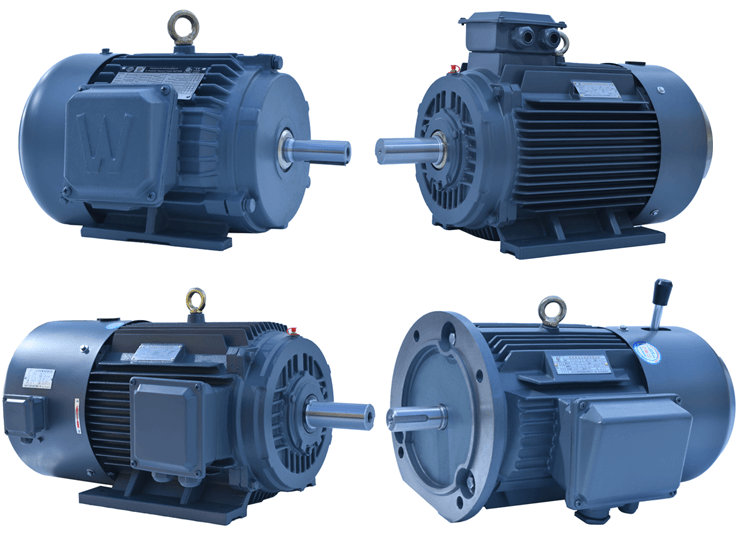
มอเตอร์ VFD กับ มอเตอร์ปกติคืออะไร?
การทำความเข้าใจความแตกต่างพื้นฐานระหว่างมอเตอร์ VFD และมอเตอร์ปกติเริ่มต้นด้วยการออกแบบและหลักการทำงาน. ขณะที่ทั้งสองแปลงพลังงานไฟฟ้าเป็นการเคลื่อนที่ทางกล, วิธีการควบคุมและคุณลักษณะด้านประสิทธิภาพแตกต่างกันอย่างมาก.
มอเตอร์ VFD คืออะไร?
มอเตอร์ VFD คือมอเตอร์ไฟฟ้าที่ออกแบบเป็นพิเศษให้ทำงานกับไดรฟ์ความถี่แปรผัน (วี.เอฟ.ดี). VFD จะปรับความถี่อินพุตและแรงดันไฟฟ้า, ช่วยให้สามารถควบคุมความเร็วและแรงบิดของมอเตอร์ได้อย่างแม่นยำ. โดยทั่วไปมอเตอร์เหล่านี้จะได้รับการจัดอันดับหน้าที่ของอินเวอร์เตอร์, หมายความว่าสามารถรับมือกับแรงดันไฟกระชากได้, ฮาร์โมนิค, และความเครียดจากความร้อนที่เกิดจากการทำงานของความถี่แปรผัน.
มอเตอร์ธรรมดาคืออะไร?
มอเตอร์ปกติ (มอเตอร์เหนี่ยวนำมาตรฐาน) ทำงานโดยตรงจากแหล่งจ่ายไฟความถี่คงที่ (50เฮิรตซ์หรือ 60 เฮิรตซ์). มันทำงานที่ความเร็วใกล้คงที่และไม่ได้รับการปรับให้เหมาะสมสำหรับการควบคุมความเร็วตัวแปร เว้นแต่จะจับคู่กับ VFD.
สำรวจโซลูชันมอเตอร์: บีแอลดีซีมอเตอร์ | โซลูชั่นมอเตอร์แบบกำหนดเอง
เหตุใดจึงต้องใช้มอเตอร์ VFD แทนมอเตอร์ธรรมดา?
การเปลี่ยนไปใช้มอเตอร์ VFD ขับเคลื่อนโดยความต้องการประสิทธิภาพการใช้พลังงาน, การเพิ่มประสิทธิภาพกระบวนการ, และระบบอัตโนมัติ. ระบบอุตสาหกรรมไม่ค่อยทำงานที่โหลดคงที่, ทำให้มอเตอร์ความเร็วคงที่ไม่มีประสิทธิภาพในหลายกรณี.
เหตุผลสำคัญ
- การประหยัดพลังงานในระบบโหลดแบบแปรผัน
- ควบคุมความเร็วและแรงบิดได้อย่างแม่นยำ
- ลดความเครียดและการสึกหรอทางกล
- ปรับปรุงประสิทธิภาพและความน่าเชื่อถือของระบบ
ข้อมูลเชิงลึกทางวิศวกรรม
ในการใช้งาน เช่น ปั๊มและพัดลม, การใช้พลังงานเป็นสัดส่วนกับลูกบาศก์ของความเร็ว. ลดความเร็วด้วยการ 20% สามารถลดการใช้พลังงานได้เกือบหมด 50%, ทำให้มอเตอร์ VFD มีความคุ้มค่าสูงเมื่อเวลาผ่านไป.
ความแตกต่างระหว่างมอเตอร์ความถี่แปรผันและมอเตอร์ธรรมดา
1. ระบบระบายความร้อนก็ต่างกัน
พัดลมคอมพิวเตอร์ในมอเตอร์ธรรมดาติดตั้งอยู่บนโรเตอร์ของมอเตอร์, ในขณะที่มอเตอร์ความถี่แปรผันถูกแยกออกจากกัน. ดังนั้นเมื่อความเร็วการแปลงความถี่ของพัดลมธรรมดาต่ำเกินไป, ความเร็วพัดลมที่ช้าอาจทำให้ปริมาณลมลดลง, และมอเตอร์อาจไหม้เนื่องจากความร้อนสูงเกินไป.
2. ระดับฉนวนที่แตกต่างกัน
เนื่องจากต้องทนต่อสนามแม่เหล็กความถี่สูง, ระดับความเป็นฉนวนของมอเตอร์ VFD นั้นสูงกว่ามอเตอร์ทั่วไป. มอเตอร์ความถี่ตัวแปรช่วยเสริมฉนวนของสล็อต: วัสดุฉนวน ฉนวนเซรามิก มีความเข้มแข็งและความหนาของฉนวนสล็อตเพิ่มขึ้นเพื่อปรับปรุงระดับความต้านทานแรงดันไฟฟ้าความถี่สูง.
3. โหลดแม่เหล็กไฟฟ้าที่แตกต่างกัน
จุดทำงานของมอเตอร์ธรรมดาโดยพื้นฐานแล้วอยู่ที่จุดเปลี่ยนของความอิ่มตัวของแม่เหล็ก. หากใช้เป็นมอเตอร์ VFD, มีแนวโน้มที่จะอิ่มตัวและสร้างกระแสกระตุ้นสูง. อย่างไรก็ตาม, การออกแบบมอเตอร์ความถี่แปรผันจะเพิ่มภาระแม่เหล็กไฟฟ้า, ทำให้วงจรแม่เหล็กมีแนวโน้มที่จะอิ่มตัวน้อยลง.
4. ความแข็งแรงทางกลที่แตกต่างกัน
มอเตอร์ VFD สามารถปรับความเร็วได้ตามต้องการภายในช่วงความเร็วโดยไม่เกิดความเสียหาย. โดยทั่วไป, มอเตอร์ธรรมดาส่วนใหญ่ที่ผลิตในจีนสามารถทำงานได้ภายใต้สภาวะ AC380V/50HZ เท่านั้น. มอเตอร์ธรรมดาสามารถใช้ลดหรือเพิ่มความถี่ได้, แต่ช่วงไม่ควรใหญ่เกินไป, มิฉะนั้นมอเตอร์จะร้อนขึ้นหรือไหม้ได้.
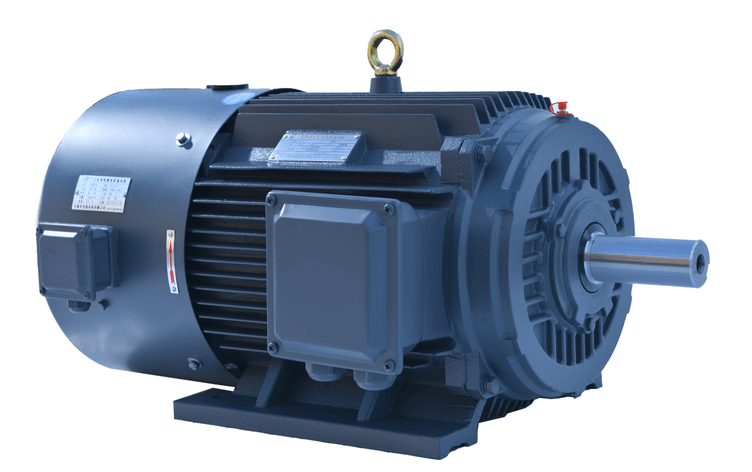
การเปรียบเทียบประสิทธิภาพ: มอเตอร์ VFD กับมอเตอร์ปกติ
ประสิทธิภาพคือข้อพิจารณาที่สำคัญสำหรับผู้ซื้อในภาคอุตสาหกรรมที่มุ่งเน้นการลดต้นทุนการดำเนินงาน.
ประสิทธิภาพของมอเตอร์ VFD
- ปรับให้เหมาะสมสำหรับสภาวะโหลดแบบแปรผัน
- ลดการสูญเสียพลังงาน
- ประสิทธิภาพระดับระบบที่สูงขึ้น
ประสิทธิภาพมอเตอร์ปกติ
- มีประสิทธิภาพเฉพาะที่พิกัดโหลดเท่านั้น
- การสูญเสียพลังงานที่ภาระบางส่วน
การวิเคราะห์ทางวิศวกรรม
ในแอปพลิเคชันในโลกแห่งความเป็นจริง, มอเตอร์ไม่ค่อยทำงานที่โหลดเต็มที่อย่างต่อเนื่อง. มอเตอร์ VFD รักษาประสิทธิภาพสูงในช่วงการทำงานที่กว้าง, ทำให้เหมาะสำหรับระบบอุตสาหกรรมสมัยใหม่.
ความหนาแน่นของแรงบิดและความแตกต่างของการควบคุมความเร็ว
ความหนาแน่นของแรงบิดและการควบคุมความเร็วส่งผลโดยตรงต่อประสิทธิภาพและความยืดหยุ่นของระบบ.
มอเตอร์วีเอฟดี
- แรงบิดเริ่มต้นสูง
- ช่วงความเร็วกว้าง
- ควบคุมแรงบิดได้อย่างแม่นยำ
มอเตอร์ปกติ
- การทำงานด้วยความเร็วคงที่
- การควบคุมแรงบิดที่จำกัด
ข้อมูลเชิงลึกของแอปพลิเคชัน
สำหรับหม้อต้มชีวมวล, โดยต้องควบคุมการจ่ายน้ำมันเชื้อเพลิงและการไหลของอากาศอย่างแม่นยำ, มอเตอร์ VFD ให้ข้อได้เปรียบด้านประสิทธิภาพที่สำคัญ.
ข้อกำหนดด้านประสิทธิภาพการระบายความร้อนและการทำความเย็น
การจัดการระบายความร้อนมีความสำคัญอย่างยิ่งต่อความน่าเชื่อถือในระยะยาว.
วีเอฟดี มอเตอร์
- ออกแบบมาสำหรับการทำงานของอินเวอร์เตอร์
- การออกแบบฉนวนและการระบายความร้อนที่ดีขึ้น
มอเตอร์ปกติ
- อาจเกิดความร้อนมากเกินไปภายใต้การทำงานของความถี่ที่แปรผัน
- การทำความเย็นแบบจำกัดที่ความเร็วต่ำ
ข้อมูลเชิงลึกทางวิศวกรรม
ที่ความเร็วต่ำ, พัดลมระบายความร้อนบนมอเตอร์มาตรฐานมีประสิทธิภาพน้อยกว่า. มอเตอร์ VFD มักจะมีระบบระบายความร้อนอิสระเพื่อรักษาอุณหภูมิการทำงานที่ปลอดภัย.
ความสามารถของระบบควบคุม
ความยืดหยุ่นในการควบคุมเป็นหนึ่งในความแตกต่างที่สำคัญที่สุดระหว่าง VFD และมอเตอร์ปกติ.
การควบคุมมอเตอร์ VFD
- การควบคุมความเร็วตัวแปร
- เริ่มต้นและหยุดอย่างนุ่มนวล
- บูรณาการกับระบบอัตโนมัติ
การควบคุมมอเตอร์ปกติ
- สายตรง (ดอล) เริ่มต้น
- ไม่มีการปรับความเร็ว
ข้อมูลเชิงลึกทางวิศวกรรม
การควบคุมขั้นสูงช่วยปรับปรุงประสิทธิภาพของกระบวนการและลดความเครียดทางกล, ยืดอายุอุปกรณ์.
ความน่าเชื่อถือและอายุการใช้งาน
ความน่าเชื่อถือได้รับอิทธิพลจากสภาพการทำงานและการออกแบบมอเตอร์.
มอเตอร์วีเอฟดี
- ลดความเครียดทางกล
- อายุการใช้งานยาวนานขึ้นในการใช้งานแบบแปรผัน
มอเตอร์ปกติ
- เชื่อถือได้สูงในการใช้งานที่มีความเร็วคงที่
- อายุการใช้งานสั้นลงหากนำไปใช้ในทางที่ผิดกับ VFD
การเปรียบเทียบต้นทุน: มอเตอร์ VFD กับมอเตอร์ปกติ
| พารามิเตอร์ | มอเตอร์วีเอฟดี | มอเตอร์ปกติ |
|---|---|---|
| ต้นทุนเริ่มต้น | สูงกว่า | ต่ำกว่า |
| ต้นทุนพลังงาน | ต่ำ | สูง |
| การซ่อมบำรุง | ต่ำ | ปานกลาง |
| ระบบควบคุม | ขั้นสูง | ขั้นพื้นฐาน |
| ต้นทุนตลอดอายุการใช้งาน | ต่ำกว่า | สูงกว่า |
การตีความทางวิศวกรรม
แม้ว่าระบบ VFD จะต้องมีการลงทุนเริ่มแรกสูงกว่า, การประหยัดพลังงานและประสิทธิภาพที่ดีขึ้นส่งผลให้ต้นทุนรวมในการเป็นเจ้าของลดลง.
ข้อดีและข้อเสีย
ข้อดีของมอเตอร์ VFD
- ประหยัดพลังงาน
- การควบคุมที่แม่นยำ
- ลดการสึกหรอ
ข้อเสียของมอเตอร์ VFD
- ต้นทุนที่สูงขึ้น
- ต้องใช้ระบบขับเคลื่อน
ข้อดีของมอเตอร์ปกติ
- ต้นทุนต่ำ
- การออกแบบที่เรียบง่าย
ข้อเสียของมอเตอร์ปกติ
- ประสิทธิภาพจำกัดที่โหลดบางส่วน
- ไม่มีการควบคุมความเร็ว
วิธีเลือกมอเตอร์ VFD และมอเตอร์ธรรมดาสำหรับงานอุตสาหกรรม
ช่วงแรงดันไฟฟ้า
- มอเตอร์วีเอฟดี: 220วี–690V
- มอเตอร์ปกติ: 220วี-380V
ช่วงพลังงาน
จากเศษส่วนกิโลวัตต์ไปจนถึงหลายร้อยกิโลวัตต์ ขึ้นอยู่กับการใช้งาน.
ความเร็ว / แรงบิด
เลือกมอเตอร์ VFD สำหรับความต้องการความเร็วที่หลากหลาย.
วิธีการทำความเย็น
- การระบายความร้อนแบบบังคับสำหรับมอเตอร์ VFD
- พัดลมระบายความร้อนมาตรฐานสำหรับมอเตอร์ธรรมดา
ความเข้ากันได้ของคอนโทรลเลอร์
ตรวจสอบความเข้ากันได้กับระบบ VFD หรือแผงควบคุม.
ข้อควรพิจารณาในการสมัคร
- โหลดต่อเนื่องและแปรผัน
- ความอ่อนไหวต่อต้นทุนพลังงาน
- ข้อกำหนดของระบบอัตโนมัติ
ซีทีเอ: ติดต่อวิศวกรของเราเพื่อรับโซลูชันมอเตอร์ OEM ที่ปรับแต่งให้เหมาะกับการใช้งานของคุณ.
การประยุกต์ใช้มอเตอร์ VFD กับมอเตอร์ปกติ
การใช้งานทางอุตสาหกรรม
- หม้อไอน้ำชีวมวล
- อุปกรณ์การผลิต
HVAC และปั๊ม
- พัดลมและเครื่องเป่าลม
- ปั๊มน้ำ
ระบบอัตโนมัติ
- สายพานลำเลียง
- วิทยาการหุ่นยนต์
แนวโน้มในอนาคต: การนำมอเตอร์ VFD มาใช้ในอุตสาหกรรม
ความต้องการระบบประหยัดพลังงานทั่วโลกกำลังเร่งการนำมอเตอร์ VFD มาใช้.
- บูรณาการการผลิตอัจฉริยะ
- กฎระเบียบด้านประสิทธิภาพพลังงาน
- ระบบมอเตอร์ที่ใช้ IoT
มอเตอร์ VFD คาดว่าจะกลายเป็นมาตรฐานในงานอุตสาหกรรมส่วนใหญ่.
คำถามที่พบบ่อย: มอเตอร์ VFD กับมอเตอร์ปกติ
1. มอเตอร์ธรรมดาสามารถใช้กับ VFD ได้หรือไม่?
ใช่, แต่อาจมีความร้อนมากเกินไปหรือได้รับความเสียหายจากฉนวนหากไม่ได้ออกแบบมาเพื่อการใช้งานอินเวอร์เตอร์.
2. มอเตอร์ VFD มีประสิทธิภาพมากกว่าหรือไม่?
ใช่, โดยเฉพาะอย่างยิ่งในการใช้งานโหลดแบบแปรผันซึ่งการควบคุมความเร็วจะช่วยลดการใช้พลังงาน.
3. เหตุใดมอเตอร์ VFD จึงมีราคาแพงกว่า?
พวกเขาต้องการฉนวนที่ดีกว่า, ระบายความร้อน, และเข้ากันได้กับไดรฟ์อิเล็กทรอนิกส์.
4. Which motor is better for pumps?
VFD motors are better due to energy savings and flow control capabilities.
5. Do VFD motors last longer?
ใช่, due to reduced mechanical stress and controlled operation.
บทสรุป
The difference between VFD motor and normal motor lies in efficiency, ควบคุม, and long-term cost. VFD motors offer superior performance and energy savings, making them ideal for modern industrial applications. Normal motors remain relevant for simple, cost-sensitive systems.
ขั้นตอนต่อไป: Request datasheet or contact our engineers to design your custom motor solution.
อ้างอิง
- IEEE Motor Drive Standards
- IEC Efficiency Regulations
- Industrial Automation Handbooks