
В чем разница между двигателем VFD и обычным двигателем?
Избранный фрагмент:
The key difference between a VFD motor and a normal motor lies in speed control, эффективность, and application flexibility. A VFD motor is specifically designed to operate with a Variable Frequency Drive, enabling precise speed and torque control, improved energy efficiency, and better system performance. A normal motor, typically running at fixed speed directly from the power supply, is simpler and cheaper but lacks control flexibility. For industrial systems such as pumps, фанаты, and biomass boilers, ЧРП motors significantly reduce energy consumption and improve process control, making them the preferred choice in modern engineering applications.
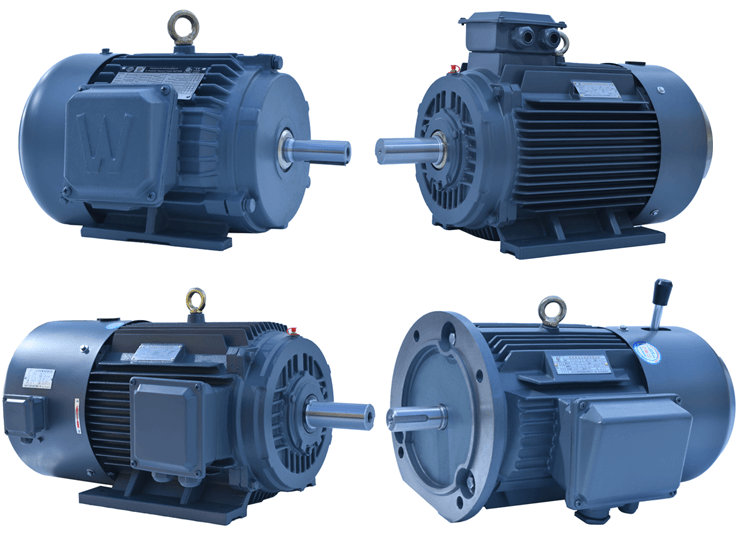
What is a VFD Motor vs Normal Motor?
Understanding the fundamental difference between a VFD motor and a normal motor starts with their design and operating principles. While both convert electrical energy into mechanical motion, their control methods and performance characteristics differ significantly.
What is a VFD Motor?
A VFD motor is an electric motor specifically designed to operate with a Variable Frequency Drive (ЧРП). The VFD adjusts the input frequency and voltage, allowing precise control of motor speed and torque. These motors are typically inverter-duty rated, meaning they can handle voltage spikes, harmonics, and thermal stress caused by variable frequency operation.
What is a Normal Motor?
A normal motor (standard induction motor) operates directly from a fixed-frequency power supply (50Hz or 60Hz). It runs at near-constant speed and is not optimized for variable speed control unless paired with a VFD.
Explore motor solutions: BLDC Motors | Custom Motor Solutions
Why Use a VFD Motor Instead of a Normal Motor?
The shift toward VFD motors is driven by the need for energy efficiency, process optimization, и автоматизация. Industrial systems rarely operate at constant load, making fixed-speed motors inefficient in many cases.
Key Reasons
- Energy savings in variable load systems
- Precise speed and torque control
- Reduced mechanical stress and wear
- Improved system efficiency and reliability
Инженерное понимание
In applications such as pumps and fans, power consumption is proportional to the cube of speed. Reducing speed by 20% can reduce energy consumption by nearly 50%, making VFD motors highly cost-effective over time.
Отличия двигателей переменной частоты от обычных двигателей
1. Система охлаждения другая.
Вентилятор компьютера в обычном двигателе закреплен на роторе двигателя., при этом двигатель переменной частоты отделен. Поэтому, когда скорость преобразования частоты обычного вентилятора слишком низкая, низкая скорость вентилятора может привести к уменьшению объема воздуха, и мотор может сгореть из-за перегрева.
2. Различные уровни изоляции
Из-за необходимости противостоять высокочастотным магнитным полям, уровень изоляции двигателей VFD выше, чем у обычных двигателей. Двигатели с регулируемой частотой усиливают изоляцию слотов: the insulation material ceramic insulator is strengthened and the thickness of the slot insulation is increased to improve the level of high-frequency voltage resistance.
3. Различные электромагнитные нагрузки
Рабочая точка обычного двигателя находится в точке поворота магнитного насыщения.. При использовании в качестве двигателя с ЧРП, он склонен к насыщению и генерирует высокий ток возбуждения. Однако, конструкция двигателей с регулируемой частотой увеличивает электромагнитную нагрузку, сделать магнитную цепь менее склонной к насыщению.
4. Различная механическая прочность
Двигатели с ЧРП могут произвольно регулировать скорость в пределах своего диапазона скоростей без повреждений.. В общем, большинство обычных двигателей, производимых в Китае, могут работать только в условиях переменного тока 380 В/50 Гц.. Обычные двигатели могут использоваться для снижения или увеличения частоты., но диапазон не должен быть слишком большим, иначе мотор нагреется или вообще сгорит.
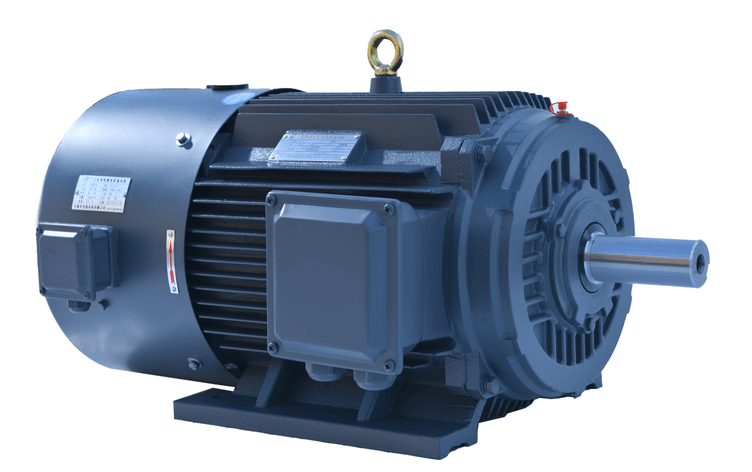
Сравнение эффективности: VFD Motor vs Normal Motor
Efficiency is a key consideration for industrial buyers focused on reducing operational costs.
VFD Motor Efficiency
- Optimized for variable load conditions
- Reduced energy waste
- Higher system-level efficiency
Normal Motor Efficiency
- Efficient only at rated load
- Energy loss at partial load
Engineering Analysis
In real-world applications, motors rarely operate at full load continuously. VFD motors maintain high efficiency across a wide operating range, making them ideal for modern industrial systems.
Torque Density and Speed Control Differences
Torque density and speed control directly impact system performance and flexibility.
VFD Motor
- Высокий пусковой момент
- Wide speed range
- Точный контроль крутящего момента
Normal Motor
- Fixed speed operation
- Limited torque control
Анализ приложений
For biomass boilers, where fuel feed and airflow must be precisely controlled, VFD motors provide significant performance advantages.
Thermal Performance and Cooling Requirements
Thermal management is critical for long-term reliability.
VFD моторы
- Designed for inverter operation
- Better insulation and cooling design
Normal Motors
- May overheat under variable frequency operation
- Limited cooling at low speeds
Инженерное понимание
На низких скоростях, cooling fans on standard motors are less effective. VFD motors often include independent cooling systems to maintain safe operating temperatures.
Control System Capabilities
Control flexibility is one of the most important differences between VFD and normal motors.
VFD Motor Control
- Variable speed control
- Soft start and stop
- Integration with automation systems
Normal Motor Control
- Direct-on-line (ДОЛ) начинающий
- No speed adjustment
Инженерное понимание
Advanced control improves process efficiency and reduces mechanical stress, extending equipment life.
Reliability and Lifespan
Reliability is influenced by operating conditions and motor design.
VFD Motor
- Lower mechanical stress
- Longer lifespan in variable applications
Normal Motor
- Highly reliable in constant-speed applications
- Shorter lifespan if misused with VFD
Сравнение затрат: VFD Motor vs Normal Motor
| Параметр | VFD Motor | Normal Motor |
|---|---|---|
| Первоначальная стоимость | Выше | Ниже |
| Стоимость энергии | Низкий | Высокий |
| Обслуживание | Низкий | Умеренный |
| Система управления | Передовой | Базовый |
| Стоимость жизненного цикла | Ниже | Выше |
Инженерная интерпретация
Although VFD systems require higher initial investment, energy savings and improved efficiency result in lower total cost of ownership.
Advantages and Disadvantages
VFD Motor Advantages
- Energy efficient
- Precise control
- Reduced wear
VFD Motor Disadvantages
- Более высокая стоимость
- Requires drive system
Normal Motor Advantages
- Бюджетный
- Простой дизайн
Normal Motor Disadvantages
- Limited efficiency at partial load
- No speed control
How to Choose VFD Motor vs Normal Motor for Industrial Applications
Диапазон напряжения
- VFD motors: 220V–690V
- Normal motors: 220В–380В
Диапазон мощности
From fractional kW to hundreds of kW depending on application.
Скорость / крутящий момент
Choose VFD motors for variable speed requirements.
Метод охлаждения
- Forced cooling for VFD motors
- Standard fan cooling for normal motors
Совместимость контроллера
Ensure compatibility with VFD systems or control panels.
Рекомендации по применению
- Continuous vs variable load
- Чувствительность к стоимости энергии
- Automation requirements
призыв к действию: Contact our engineers to get OEM motor solutions tailored to your application.
Applications of VFD Motors vs Normal Motors
Промышленное применение
- Котлы на биомассе
- Manufacturing equipment
ОВКВ и насосы
- Вентиляторы и воздуходувки
- Водяные насосы
Automation Systems
- Конвейеры
- Робототехника
Будущие тенденции: VFD Motor Adoption in Industry
Global demand for energy-efficient systems is accelerating the adoption of VFD motors.
- Smart manufacturing integration
- Energy efficiency regulations
- IoT-enabled motor systems
VFD motors are expected to become standard in most industrial applications.
Часто задаваемые вопросы: VFD Motor vs Normal Motor
1. Can a normal motor be used with a VFD?
Да, but it may overheat or suffer insulation damage if not designed for inverter use.
2. Is a VFD motor more efficient?
Да, especially in variable load applications where speed control reduces energy consumption.
3. Why are VFD motors more expensive?
They require better insulation, охлаждение, and compatibility with electronic drives.
4. Which motor is better for pumps?
VFD motors are better due to energy savings and flow control capabilities.
5. Do VFD motors last longer?
Да, due to reduced mechanical stress and controlled operation.
Заключение
The difference between VFD motor and normal motor lies in efficiency, контроль, and long-term cost. VFD motors offer superior performance and energy savings, что делает их идеальными для современного промышленного применения. Normal motors remain relevant for simple, cost-sensitive systems.
Следующий шаг: Request datasheet or contact our engineers to design your custom motor solution.
Ссылки
- IEEE Motor Drive Standards
- IEC Efficiency Regulations
- Industrial Automation Handbooks