
Wat is het verschil tussen VFD-motor en normale motor?
Uitgelicht fragment:
The key difference between a VFD motor and a normal motor lies in speed control, efficiëntie, and application flexibility. A VFD motor is specifically designed to operate with a Variable Frequency Drive, enabling precise speed and torque control, improved energy efficiency, and better system performance. A normal motor, typically running at fixed speed directly from the power supply, is simpler and cheaper but lacks control flexibility. For industrial systems such as pumps, fans, and biomass boilers, VFD motors significantly reduce energy consumption and improve process control, making them the preferred choice in modern engineering applications.
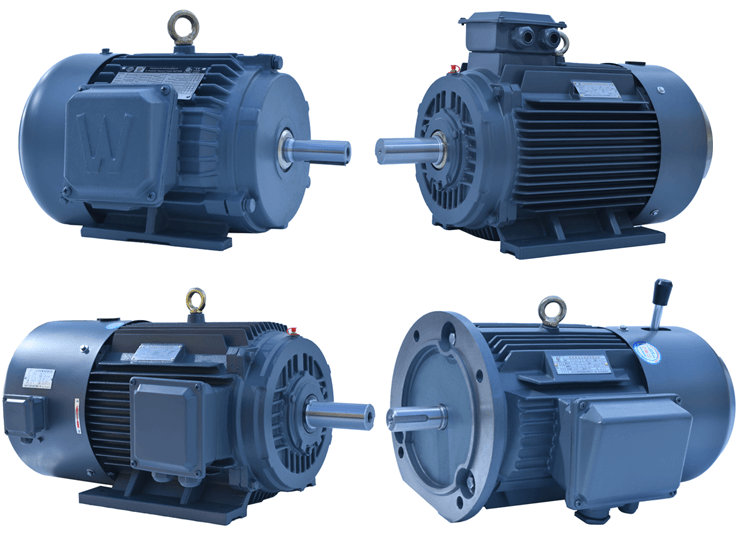
What is a VFD Motor vs Normal Motor?
Understanding the fundamental difference between a VFD motor and a normal motor starts with their design and operating principles. While both convert electrical energy into mechanical motion, their control methods and performance characteristics differ significantly.
What is a VFD Motor?
A VFD motor is an electric motor specifically designed to operate with a Variable Frequency Drive (VFD). The VFD adjusts the input frequency and voltage, allowing precise control of motor speed and torque. These motors are typically inverter-duty rated, meaning they can handle voltage spikes, harmonics, and thermal stress caused by variable frequency operation.
What is a Normal Motor?
A normal motor (standard induction motor) operates directly from a fixed-frequency power supply (50Hz or 60Hz). It runs at near-constant speed and is not optimized for variable speed control unless paired with a VFD.
Explore motor solutions: BLDC-motoren | Aangepaste motoroplossingen
Why Use a VFD Motor Instead of a Normal Motor?
The shift toward VFD motors is driven by the need for energy efficiency, process optimization, en automatisering. Industrial systems rarely operate at constant load, making fixed-speed motors inefficient in many cases.
Key Reasons
- Energy savings in variable load systems
- Nauwkeurige snelheids- en koppelregeling
- Reduced mechanical stress and wear
- Improved system efficiency and reliability
Technisch inzicht
In applications such as pumps and fans, power consumption is proportional to the cube of speed. Reducing speed by 20% can reduce energy consumption by nearly 50%, making VFD motors highly cost-effective over time.
Verschillen tussen motoren met variabele frequentie en gewone motoren
1. Het koelsysteem is anders
De computerventilator in de gewone motor is op de motorrotor bevestigd, terwijl de motor met variabele frequentie gescheiden is. Dus als de frequentieomzettingssnelheid van een gewone ventilator te laag is, de lage snelheid van de ventilator kan een afname van het luchtvolume veroorzaken, en de motor kan doorbranden als gevolg van oververhitting.
2. Verschillende isolatieniveaus
Vanwege de noodzaak om hoogfrequente magnetische velden te weerstaan, het isolatieniveau van VFD-motoren is hoger dan dat van gewone motoren. Motoren met variabele frequentie versterken de sleufisolatie: the insulation material ceramic insulator is strengthened and the thickness of the slot insulation is increased to improve the level of high-frequency voltage resistance.
3. Verschillende elektromagnetische belastingen
Het werkpunt van een gewone motor ligt feitelijk op het keerpunt van de magnetische verzadiging. Indien gebruikt als VFD-motor, het is gevoelig voor verzadiging en genereert een hoge excitatiestroom. Echter, het ontwerp van motoren met variabele frequentie verhoogt de elektromagnetische belasting, waardoor het magnetische circuit minder gevoelig is voor verzadiging.
4. Verschillende mechanische sterkte
VFD-motoren kunnen de snelheid willekeurig aanpassen binnen hun snelheidsbereik, zonder schade. Over het algemeen, de meeste gewone motoren die in China worden geproduceerd, kunnen alleen werken onder AC380V/50HZ-omstandigheden. Voor het verlagen of verhogen van de frequentie kunnen gewone motoren worden gebruikt, maar het bereik mag niet te groot zijn, anders zal de motor warm worden of zelfs doorbranden.
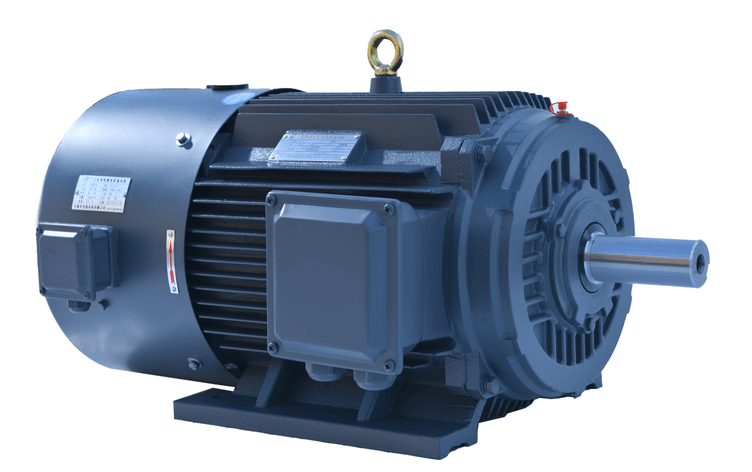
Efficiëntievergelijking: VFD Motor vs Normal Motor
Efficiency is a key consideration for industrial buyers focused on reducing operational costs.
VFD Motor Efficiency
- Optimized for variable load conditions
- Reduced energy waste
- Higher system-level efficiency
Normal Motor Efficiency
- Efficient only at rated load
- Energy loss at partial load
Technische analyse
In real-world applications, motors rarely operate at full load continuously. VFD motors maintain high efficiency across a wide operating range, making them ideal for modern industrial systems.
Torque Density and Speed Control Differences
Torque density and speed control directly impact system performance and flexibility.
VFD Motor
- Hoog startkoppel
- Wide speed range
- Precise torque control
Normal Motor
- Fixed speed operation
- Limited torque control
Application Insight
For biomass boilers, where fuel feed and airflow must be precisely controlled, VFD motors provide significant performance advantages.
Thermal Performance and Cooling Requirements
Thermal management is critical for long-term reliability.
VFD Motors
- Designed for inverter operation
- Better insulation and cooling design
Normal Motors
- May overheat under variable frequency operation
- Limited cooling at low speeds
Technisch inzicht
Bij lage snelheden, cooling fans on standard motors are less effective. VFD motors often include independent cooling systems to maintain safe operating temperatures.
Control System Capabilities
Control flexibility is one of the most important differences between VFD and normal motors.
VFD Motor Control
- Variable speed control
- Soft start and stop
- Integration with automation systems
Normal Motor Control
- Direct-on-line (DOL) starten
- No speed adjustment
Technisch inzicht
Advanced control improves process efficiency and reduces mechanical stress, extending equipment life.
Reliability and Lifespan
Reliability is influenced by operating conditions and motor design.
VFD Motor
- Lower mechanical stress
- Longer lifespan in variable applications
Normal Motor
- Highly reliable in constant-speed applications
- Shorter lifespan if misused with VFD
Kostenvergelijking: VFD Motor vs Normal Motor
| Parameter | VFD Motor | Normal Motor |
|---|---|---|
| Initiële kosten | Hoger | Lager |
| Energiekosten | Laag | Hoog |
| Onderhoud | Laag | Gematigd |
| Controlesysteem | Geavanceerd | Basis |
| Lifecycle Cost | Lager | Hoger |
Technische interpretatie
Although VFD systems require higher initial investment, energy savings and improved efficiency result in lower total cost of ownership.
Voordelen en nadelen
VFD Motor Advantages
- Energy efficient
- Precise control
- Reduced wear
VFD Motor Disadvantages
- Higher cost
- Requires drive system
Normal Motor Advantages
- Lage kosten
- Simple design
Normal Motor Disadvantages
- Limited efficiency at partial load
- No speed control
How to Choose VFD Motor vs Normal Motor for Industrial Applications
Spanningsbereik
- VFD motors: 220V–690V
- Normal motors: 220V–380V
Vermogensbereik
From fractional kW to hundreds of kW depending on application.
Snelheid / Koppel
Choose VFD motors for variable speed requirements.
Koelmethode
- Forced cooling for VFD motors
- Standard fan cooling for normal motors
Compatibiliteit van controllers
Ensure compatibility with VFD systems or control panels.
Toepassingsoverwegingen
- Continuous vs variable load
- Energy cost sensitivity
- Automation requirements
CTA: Contact our engineers to get OEM motor solutions tailored to your application.
Applications of VFD Motors vs Normal Motors
Industriële toepassingen
- Biomass boilers
- Manufacturing equipment
HVAC en pompen
- Fans and blowers
- Water pumps
Automation Systems
- Transportbanden
- Robotica
Toekomstige trends: VFD Motor Adoption in Industry
Global demand for energy-efficient systems is accelerating the adoption of VFD motors.
- Smart manufacturing integration
- Energy efficiency regulations
- IoT-enabled motor systems
VFD motors are expected to become standard in most industrial applications.
Veelgestelde vragen: VFD Motor vs Normal Motor
1. Can a normal motor be used with a VFD?
Ja, but it may overheat or suffer insulation damage if not designed for inverter use.
2. Is a VFD motor more efficient?
Ja, especially in variable load applications where speed control reduces energy consumption.
3. Why are VFD motors more expensive?
They require better insulation, koeling, and compatibility with electronic drives.
4. Which motor is better for pumps?
VFD motors are better due to energy savings and flow control capabilities.
5. Do VFD motors last longer?
Ja, due to reduced mechanical stress and controlled operation.
Conclusie
The difference between VFD motor and normal motor lies in efficiency, controle, and long-term cost. VFD motors offer superior performance and energy savings, making them ideal for modern industrial applications. Normal motors remain relevant for simple, cost-sensitive systems.
Volgende stap: Request datasheet or contact our engineers to design your custom motor solution.
Referenties
- IEEE Motor Drive Standards
- IEC Efficiency Regulations
- Industrial Automation Handbooks