

Come scegliere un motore: Una guida completa per selezionare il motore giusto per la tua applicazione
La scelta del motore elettrico ideale è una decisione fondamentale che incide sulle prestazioni, efficienza, costo, e longevità della tua applicazione. Che tu stia progettando una e-bike, e robot industriale, un dispositivo medico, o un elettrodomestico, la scelta sbagliata può portare a un fallimento prematuro, spreco energetico, e un aumento del costo totale di proprietà. Con una vasta gamma di tipi di motori disponibili, incluso DC senza spazzole (BLDC), DC spazzolato, Passo passo, e motori CA: orientarsi nel processo di selezione può essere scoraggiante.
Questa guida definitiva, attingendo Potere GreenskyLa nostra vasta esperienza come produttore leader di motori, ti guiderà attraverso i passaggi essenziali e le considerazioni tecniche per la scelta del motore perfetto. Analizzeremo il processo decisionale in modo chiaro, quadro attuabile, supportato da casi di studio reali e confronti di tecnologie motorie.
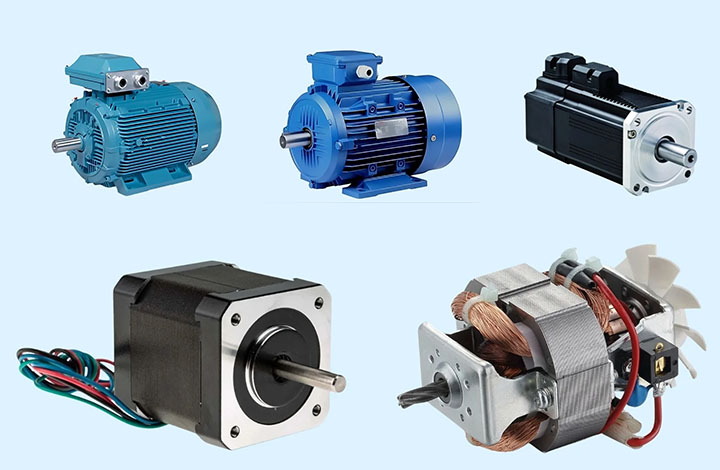
IO. Il quadro decisionale fondamentale: Parametri chiave da considerare
Prima di confrontare tipi di motore specifici, devi prima definire i requisiti principali della tua applicazione. Rispondere a queste domande costituirà la base del processo di selezione.
1. Specifiche elettriche: Fonte di energia & Guidare
- Voltaggio & Attuale:Qual è l'alimentazione elettrica disponibile? (per esempio., 12V CC, 24V CC, 48V CC, 110/220V CA)? Questo restringe immediatamente le tue opzioni. La corrente disponibile determinerà la potenza massima che il motore può assorbire.
- AC contro. Alimentazione CC: Il tuo sistema è alimentato principalmente da CA (come le prese a muro per gli elettrodomestici) o alimentato a corrente continua (come batterie per dispositivi portatili o veicoli)?
Selezione del tipo di motore
La scelta del tipo di motore si basa su considerazioni come AC/DC, caratteristiche meccaniche, controllo della velocità e prestazioni di avviamento, requisiti di manutenzione, e costo.
① Per macchinari di produzione generale che richiedono buone caratteristiche meccaniche senza particolari esigenze di controllo della velocità (per esempio., pompe dell'acqua a bassa potenza, ventilatori, piccole macchine utensili), Quando possibile, si dovrebbero preferire i motori a gabbia di scoiattolo.
② Per apparecchiature che richiedono migliori prestazioni di avviamento e una regolazione regolare della velocità entro un intervallo limitato (per esempio., gru, montacarichi), possono essere utilizzati motori a rotore avvolto.
③ Per migliorare il fattore di potenza della rete, e per applicazioni ad alta potenza che non richiedono il controllo della velocità (per esempio., grandi pompe dell'acqua, compressori d'aria), possono essere impiegati motori sincroni.
④ I motori CC dovrebbero essere presi in considerazione solo quando i requisiti specifici per il controllo della velocità o l'elevata coppia di avviamento non possono essere soddisfatti dai motori CA.
2. Requisiti di prestazione: Coppia, Velocità, e potere
- Coppia (Nm o lb-in): Questa è la forza di rotazione che il motore deve produrre. Devi calcolare:
- Coppia di avviamento: La coppia necessaria per superare l'attrito statico e avviare il carico in movimento.
- Coppia di picco: La coppia massima necessaria per l'accelerazione o per gestire improvvisi cambiamenti di carico.
- Coppia nominale: La coppia continua che il motore può fornire senza surriscaldarsi.
- Velocità (giri al minuto): Qual è la velocità operativa desiderata? È costante o variabile? Hai bisogno di un numero di giri elevato (per esempio., per un trapano) o basso numero di giri con coppia elevata (per esempio., per un argano)? La velocità nominale del motore viene selezionata in base ai requisiti dei macchinari di produzione. Tuttavia, per un dato potere, i motori a velocità inferiore sono più grandi, più costoso, e meno efficiente. Perciò, a meno che non vi siano vincoli specifici sulle dimensioni dell'installazione, spesso è più economico selezionare l'alta velocità motore abbinato ad un riduttore. Motori con 4 poli (velocità sincrona n₀ = 1500 giri/min) sono comunemente usati.
- Energia (W o HP):La potenza è il prodotto della coppia e della velocità (Potenza = Coppia × Velocità × costante). Rappresenta la capacità complessiva del motore. Assicurati che la potenza nominale del tuo motore superi la domanda di picco della tua applicazione.
3. Ambiente operativo
- Temperatura & Umidità:Il motore funzionerà in condizioni di calore estremo?, Freddo, o un ambiente umido? Ciò influisce sulla classe di isolamento e sui requisiti di tenuta (Grado di protezione IP).
- Polvere e umidità: Il motore deve essere protetto da contaminanti? Cercare motori con un'adeguata protezione dall'ingresso (IP) valutazioni (per esempio., IP54 per resistenza alla polvere e agli spruzzi d'acqua, IP67 per immersione temporanea).
- Atmosfere esplosive: Per applicazioni in impianti chimici o minerari, i motori potrebbero necessitare di certificazioni per aree pericolose (per esempio., ATEX, UL).
4. Controllo & Esigenze di feedback
- Controllo di velocità: Hai bisogno di un controllo preciso sulla velocità? Motori BLDC e AC con azionamenti a frequenza variabile (VFD) eccellere qui.
- Controllo della posizione: Hai bisogno di un posizionamento accurato (per esempio., in una stampante 3D o in una macchina CNC)? Motori passo-passo o servomotori (un sottoinsieme di motori BLDC con feedback ad alta risoluzione) sono necessari.
- Dispositivi di feedback: Il motore richiede encoder integrati, risolutori, o sensori ad effetto Hall per il controllo a circuito chiuso? Ciò aggiunge complessità e costi ma migliora notevolmente la precisione e l’affidabilità.
5. Vincoli fisici
- Misurare & Peso (Fattore di forma): Quali sono i limiti dimensionali e di peso? Applicazioni come droni e dispositivi medici portatili richiedono dimensioni compatte, motori leggeri.
- Configurazione di montaggio: Come verrà installato il motore? Le opzioni comuni includono il montaggio su piedini, montaggio a flangia, o montaggio frontale.
Selezione del tipo di costruzione del motore
Per garantire un funzionamento sicuro e affidabile in diversi ambienti, il tipo di costruzione del motore deve essere selezionato in base ai seguenti principi:
① Tipo protetto: Per luoghi con polvere minima e senza gas corrosivi.
② Tipo chiuso: Per polveroso, umido, o atmosfere corrosive.
③ Tipo antideflagrante: Per aree con gas esplosivi.
6. Costo & Durata
- Costo iniziale vs. Costo totale di proprietà (TCO): Un motore più economico può avere una durata di vita più breve e un consumo energetico più elevato, portando a un TCO più elevato. Considera l'efficienza, esigenze di manutenzione, e la durata prevista.
II. Confronto tra le tecnologie motorie: Punti di forza e applicazioni ideali
Una volta definite le tue esigenze, puoi abbinarli alla tecnologia del motore più adatta.
| Tipo di motore | Caratteristiche chiave | Applicazioni ideali | Professionisti | Contro |
|---|---|---|---|---|
| CC senza spazzole (BLDC) Il motore | Commutato elettronicamente, alta efficienza, lunga durata, eccellente controllo della velocità, richiede un controllore. | Bici elettriche, droni, Ventilatori HVAC, pompe industriali, elettrodomestici di fascia alta, attrezzature mediche. | Alta efficienza (80-90%), alta densità di potenza, bassa manutenzione, funzionamento silenzioso. | Costo iniziale più elevato (il motore + controllore), elettronica di azionamento più complessa. |
| Motore DC spazzolato | Commutata meccanicamente con spazzole, semplice controllo della velocità, costo inferiore. | Accessori automobilistici (posti a sedere, finestre), giocattoli semplici, pompe a basso costo, nastri trasportatori. | Controller semplice ed economico, Coppia di partenza alta, facile da controllare. | Minore efficienza (70-80%), durata di vita più breve (usura delle spazzole), scintille, richiede manutenzione. |
| Motore passo-passo | Si muove in modo discreto “passi,” eccellente controllo della posizione senza feedback (ciclo aperto), elevata coppia di tenuta. | 3stampanti D, Macchine CNC, scanner, robotica, strumenti di precisione. | Posizionamento preciso, Alta coppia a basse velocità, controllo semplice per sistemi a circuito aperto. | Può vibrare, efficienza inferiore, la coppia diminuisce notevolmente alle alte velocità. |
| Motore a induzione CA | Robusto, affidabile, basso costo, funziona direttamente dalla rete elettrica AC. | Macchinari industriali, compressori, pompe, fan, lavatrici. | Molto robusto, bassa manutenzione, basso costo per applicazioni ad alta potenza. | Difficile controllare la velocità con precisione senza un VFD, efficienza inferiore ai carichi parziali. |
III. Processo pratico di selezione: Una procedura dettagliata con casi di studio
Applichiamo questo quadro a scenari del mondo reale.
Caso di studio 1: Selezione di un motore per un sistema a trazione centrale per bici elettrica
- Requisiti: Alimentato a batteria (36V o 48 V CC), coppia elevata per le salite in salita, controllo della velocità variabile, alta efficienza per un lungo raggio, dimensione compatta, funzionamento silenzioso, e deve resistere alle condizioni esterne.
- Analisi:
- Tecnologia:A Motore BLDC è la scelta indiscussa grazie alla sua elevata efficienza, eccellenti caratteristiche di coppia, e controllabilità. Un motore DC con spazzole sarebbe inefficiente e si consumerebbe rapidamente.
- Specifiche chiave:Un 48V, 500Il motore W-750W è tipico. Richiede un design a coppia elevata, spesso con un riduttore epicicloidale interno (come i motori per e-bike di Greensky) per moltiplicare la coppia. Un sensore di coppia integrato o sensori ad effetto Hall sono essenziali per una pedalata assistita fluida.
- Ambientale: Si consiglia un grado di protezione IP65 o superiore per la protezione da acqua e polvere.
- Conclusione:A 48Motore centrale V BLDC con cambio integrato e sensore di coppiaè la soluzione ottimale.
Caso di studio 2: Selezione di un motore per un nastro trasportatore industriale
- Requisiti: Alimentazione di rete CA (220V CA), velocità costante, coppia di spunto moderata, robusto e affidabile per 24/7 operazione, bassa manutenzione.
- Analisi:
- Tecnologia:An Motore a induzione CAè il cavallo di battaglia tradizionale e più conveniente per questa applicazione. Se è necessario un controllo preciso della velocità, sarebbe accoppiato con un azionamento a frequenza variabile (VFD).
- Specifiche chiave: La potenza nominale dipende dal carico e dalla velocità del trasportatore. Un ventilatore completamente chiuso raffreddato (TEFC) il design è standard per gli ambienti industriali per tenere lontani i contaminanti.
- Conclusione:A Motore a induzione CA TEFCè la scelta più affidabile ed economica. Per esigenze di velocità variabile, aggiungi un VFD.
Caso di studio 3: Selezione di un motore per un dispensatore da laboratorio di precisione
- Requisiti: Controllo preciso della posizione dello stantuffo della siringa (precisione al microlitro), dimensione compatta, funzionamento silenzioso, può essere alimentato a batteria.
- Analisi:
- Tecnologia:A motore passo-passo è l'ideale perché può muoversi con precisione, incrementi ripetibili senza la necessità di un sistema di feedback a circuito chiuso, semplificando la progettazione e riducendo i costi. Un piccolo Servomotore BLDC sarebbe un'alternativa se la verifica della posizione assoluta fosse fondamentale.
- Specifiche chiave:E non c'è NO 17 o un motore passo-passo più piccolo fornisce una coppia ampia. È possibile aggiungere un cambio per aumentare ulteriormente la risoluzione e la coppia.
- Conclusione:A motore passo-passo compattooffre il miglior equilibrio di precisione, costo, e semplicità per questa applicazione.
IV. Collaborazione con Greensky Power per la selezione del motore
A Greensky Power, andiamo oltre la produzione. Il nostro team di ingegneri fornisce supporto tecnico esperto per aiutarti a navigare in questo complesso processo di selezione.
- Ingegneria delle applicazioni:Condividi con noi le tue esigenze, e consiglieremo la combinazione motore e controller più adatta dal nostro ampio portafoglio.
- Personalizzazione: Siamo specializzati nella personalizzazione di progetti di motori standard per soddisfare dimensioni specifiche, prestazione, e le esigenze ambientali.
- Supporto al prototipo: Lavoriamo con te durante la fase di prototipazione per garantire integrazione e prestazioni ottimali.
- Supporto del ciclo di vita: Dalla selezione iniziale al servizio post-vendita, siamo il vostro partner a lungo termine.
Conclusione
La scelta del motore giusto è un processo sistematico che bilancia i requisiti tecnici con i vincoli economici e operativi. Definendo meticolosamente le vostre esigenze di potenza, coppia, velocità, controllo, e ambiente, puoi restringere efficacemente il campo delle opzioni. Ricordare, il motore più economico in partenza raramente è il più conveniente nel corso della sua vita. Investire in modo efficiente, un motore affidabile come un BLDC o un motore a induzione CA di alta qualità di un produttore affidabile come Greensky Power pagherà dividendi in termini di prestazioni, risparmio energetico, e tempi di inattività ridotti.
Ancora incerto sul motore migliore per il tuo progetto?
Contatta oggi il team tecnico di Greensky Power per una consulenza gratuita. Lascia che la nostra esperienza ti guidi verso la soluzione di movimento perfetta.
Invia i requisiti della tua candidatura| E-mail: [email protected]
Riferimenti
- Rivista delle applicazioni industriali dell'IEEE. “Una guida alla specifica dei motori per applicazioni industriali”. IEEEX, 2023.https://ieeexplore.ieee.org/document/9876544
- Controllo del movimento in linea. “Passo-passo vs. Servo: Comprendere la differenza”. Suggerimenti per il controllo del movimento, 2024.https://www.motioncontroltips.com/stepper-vs-servo/
- NOI. Dipartimento dell'Energia. “Determinazione del carico e dell'efficienza del motore elettrico”. Energy.gov, 2020.https://www.energy.gov/energymanager/determining-electric-motor-load-and-efficiency