
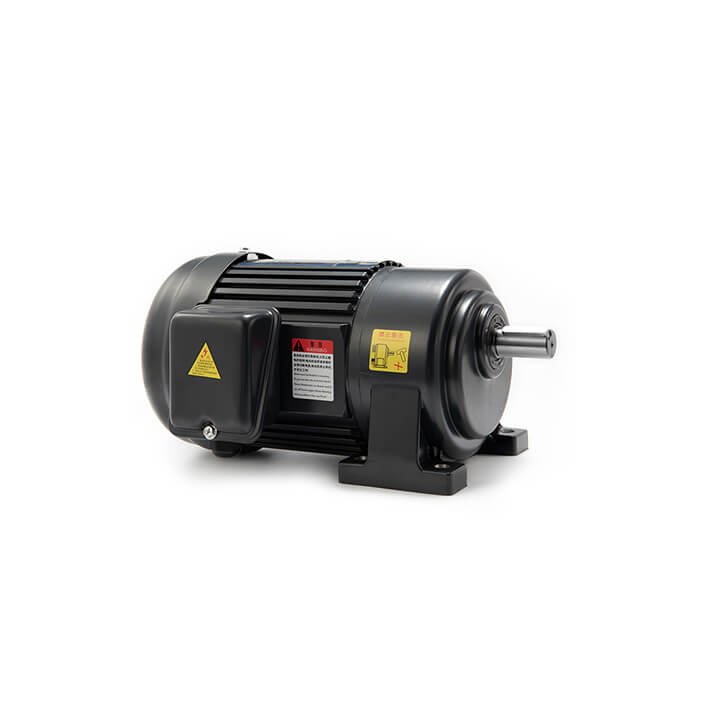
Motor para mezcladora de cemento: Guía completa para ingenieros y compradores de OEM
Fragmento destacado:
A motor for cement mixer is typically a high-torque electric motor designed to handle heavy loads, continuous operation, and harsh environments. The most common options include induction motors, Motores BLDC, y motores reductores. The right motor choice depends on torque requirements, ciclo de trabajo, fuente de alimentación, y consideraciones de costos. For industrial and OEM buyers, selecting the correct motor directly impacts mixing efficiency, equipment lifespan, y costo total de propiedad. Modern systems increasingly adopt high-efficiency motors such as BLDC or inverter-driven motors to improve performance and reduce energy consumption.
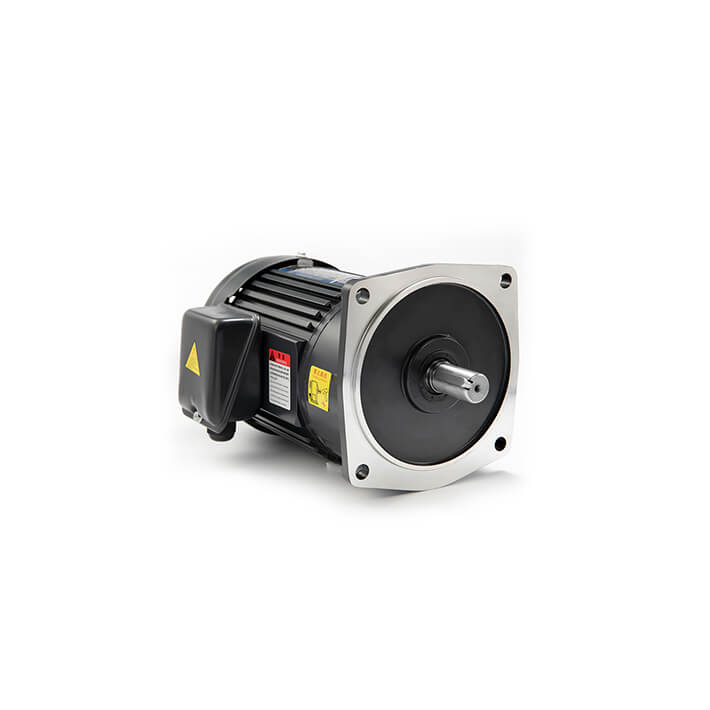
What is a Motor for Cement Mixer?
A motor for cement mixer is the core driving component responsible for rotating the drum and ensuring uniform mixing of cement, aggregates, y agua. Unlike standard motors, cement mixer motors must deliver high starting torque and maintain stable operation under fluctuating loads.
Key Functional Requirements
- High torque at low speed
- Ability to handle heavy load inertia
- Continuous or intermittent duty cycles
- Resistance to dust, vibración, and moisture
Perspectiva de ingeniería
The mixing process creates variable resistance depending on material consistency. This means the motor must maintain torque stability even when load conditions change abruptly.
Why Motor Selection Matters for Cement Mixers
Choosing the right motor is not only a technical decision but also a financial one. Incorrect motor sizing or type selection can lead to inefficiency, calentamiento excesivo, or premature failure.
Key Challenges
- High starting load when drum is filled
- Frequent start-stop cycles
- Harsh operating environment
Compensación entre costo y rendimiento
Many buyers prioritize low initial cost, but in heavy-duty equipment like cement mixers, energy efficiency and durability often determine long-term profitability.
Types of Motors Used in Cement Mixers
Motores de inducción
The most commonly used motor type due to low cost and robustness.
Motores BLDC
Offer higher efficiency and better control, increasingly used in modern systems.
Motores con engranajes
Provide high torque output at low speeds, ideal for heavy-duty mixers.
Hydraulic Motors
Used in mobile or construction-site mixers where hydraulic systems are available.
Explore options: Motores BLDC

Efficiency Analysis of Cement Mixer Motors
Efficiency directly affects energy consumption and operating cost.
Induction Motor Efficiency
- 75–90% de eficiencia
- Lower at partial load
Eficiencia del motor BLDC
- 85–95% de eficiencia
- Consistent across load range
Perspectiva de ingeniería
In construction projects with continuous operation, even small efficiency improvements can significantly reduce electricity costs.
Torque Density and Load Handling
Torque density determines how effectively a motor can handle heavy loads.
High Torque Requirement
Cement mixers require strong starting torque to initiate drum rotation when fully loaded.
Motor Comparison
- BLDC: Alta densidad de par
- Inducción: Moderate torque
- motorreductor: Very high output torque
Perspectiva de ingeniería
Geared motors or BLDC motors are preferred when space constraints and high torque are critical.
Thermal Performance and Cooling
Heat management is essential due to continuous load conditions.
Desafíos térmicos
- Acumulación de polvo
- High ambient temperature
- Continuous operation
Cooling Solutions
- Fan-cooled motors
- Enclosed designs (IP55/IP65)
Perspectiva de ingeniería
Overheating is a common failure mode in cement mixers, making thermal design a key selection factor.
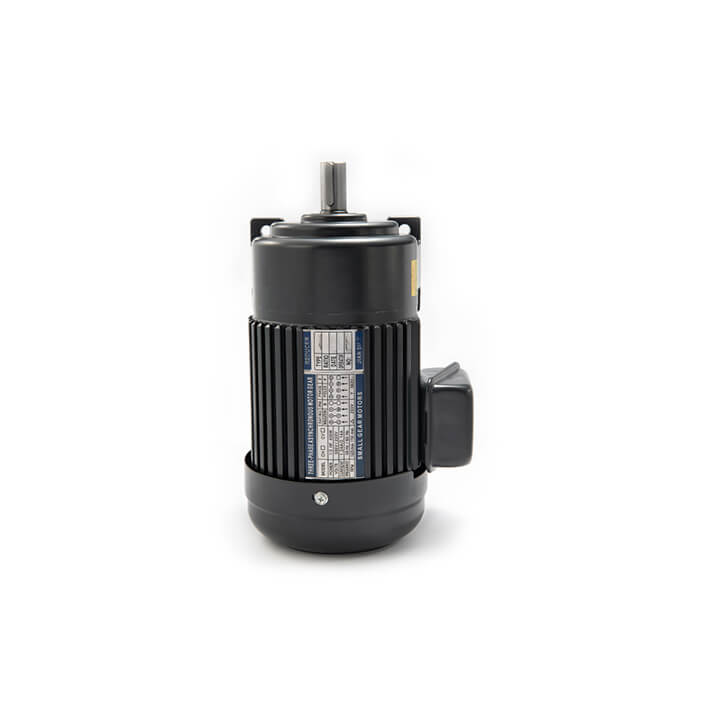
Control Systems for Cement Mixer Motors
Control systems influence performance and efficiency.
Direct-On-Line (DOL)
Simple and cost-effective but lacks flexibility.
VFD Control
Allows speed adjustment and reduces energy consumption.
BLDC Controllers
Provide precise control and improved efficiency.
Consideraciones de confiabilidad y vida útil
Durability is critical in construction environments.
Factors Affecting Lifespan
- Load cycles
- Condiciones ambientales
- Maintenance practices
Perspectiva de ingeniería
Motors with better sealing, enfriamiento, and control systems typically last longer and require less maintenance.
Cement Mixer Motor vs Alternative Solutions
| Parámetro | Motor CC CC | Motor de inducción | Hydraulic Motor |
|---|---|---|---|
| Eficiencia | Alto | Medio | Bajo |
| Densidad de par | Alto | Medio | muy alto |
| Costo | Alto | Bajo | Alto |
| Control | Avanzado | Básico | Moderado |
| Aplicaciones | Modern systems | Standard mixers | Mobile equipment |
Interpretación de ingeniería
Each motor type has its advantages, but BLDC motors are increasingly preferred for efficiency and control, while induction motors remain dominant in cost-sensitive applications.
How to Choose a Motor for Cement Mixer
Rango de voltaje
- Single-phase: 110V–220V (small mixers)
- Three-phase: 220V–380V (industrial mixers)
Rango de poder
- Small mixers: 0.5–2 kW
- Industrial mixers: 5–30 kW
Velocidad / Esfuerzo de torsión
Low speed with high torque is essential. Gear reduction may be required.
Método de enfriamiento
- Refrigeración por aire
- Enclosed cooling for dusty environments
Compatibilidad del controlador
Ensure compatibility with VFD or BLDC controllers if variable speed is required.
Consideraciones específicas de la aplicación
- Portable vs stationary mixer
- ciclo de trabajo (continuo vs intermitente)
- Protección ambiental (Clasificación IP)
llamada a la acción: Request datasheet or get OEM motor solution for your cement mixer application.
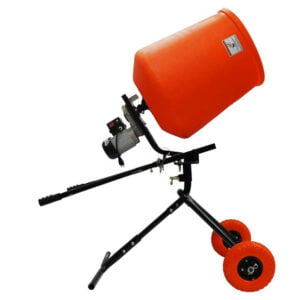
Applications of Cement Mixer Motors
Industria de la construcción
- Portable mixers
- Batching plants
Aplicaciones industriales
- Precast concrete production
- Heavy-duty mixing systems
Automatización y Robótica
- Automated mixing systems
- Smart construction equipment
Future Trends in Cement Mixer Motor Technology
The industry is moving toward higher efficiency and smarter systems.
- Adoption of BLDC motors
- Integration with IoT monitoring
- Energy-efficient regulations
These trends are driving demand for advanced motor solutions with better performance and lower energy consumption.
Preguntas frecuentes: Motor para mezcladora de cemento
1. What type of motor is best for a cement mixer?
Induction motors are common, but BLDC motors offer better efficiency and control for modern applications.
2. How much power does a cement mixer motor need?
Typically ranges from 0.5 kW for small mixers to over 20 kW for industrial systems.
3. Can I use a VFD with a cement mixer motor?
Sí, VFDs improve efficiency and allow speed control, especially for large mixers.
4. Why is high torque important?
High torque is required to start and maintain rotation under heavy load conditions.
5. How long does a cement mixer motor last?
With proper maintenance, industrial motors can last 10,000–30,000 hours or more.
Conclusión
Selecting the right motor for cement mixer requires balancing performance, costo, y confiabilidad. While induction motors remain widely used, BLDC and advanced motor systems offer significant advantages in efficiency and control.
Para fabricantes de equipos originales y compradores industriales, focusing on total cost of ownership rather than initial price leads to better long-term results.
Siguiente paso: Contact our engineering team to design a custom motor solution tailored to your cement mixer application.
Greensky Power Co., Limitado. es un fabricante profesional dedicado a la investigación, desarrollo, producción, motores OEM, venta de motorreductor pequeño.
Si está buscando un motorreductor pequeño para su proyecto, por favor contacte a nuestro equipo de ventas.
Referencias
- IEEE Industrial Motor Standards
- IEC Efficiency Guidelines
- Construction Equipment Engineering Manuals