
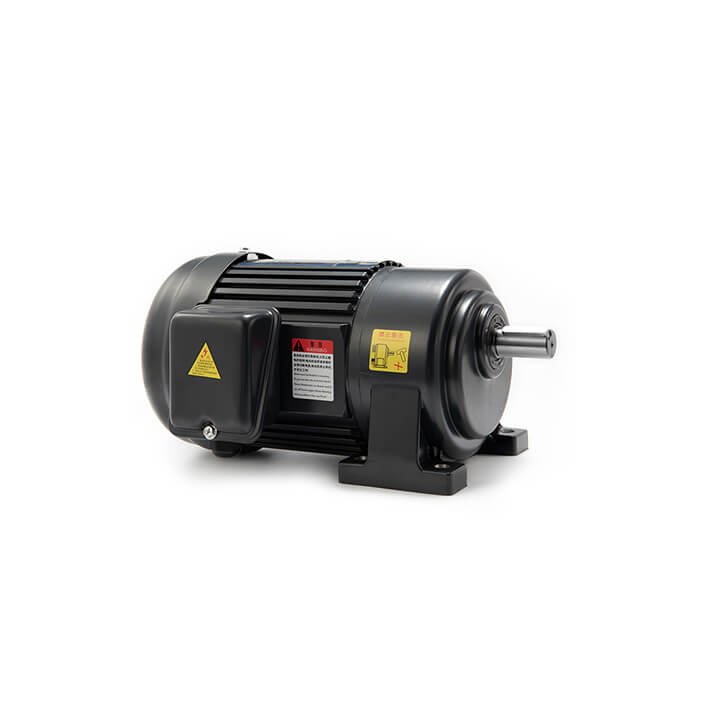
Motor für Betonmischer: Vollständiger Leitfaden für Ingenieure und OEM-Käufer
Ausgewählter Ausschnitt:
Ein Motor für Betonmischer ist typischerweise ein Elektromotor mit hohem Drehmoment, der für die Bewältigung schwerer Lasten ausgelegt ist, Dauerbetrieb, und raue Umgebungen. Zu den gebräuchlichsten Optionen gehören Induktionsmotoren, BLDC-Motoren, und Getriebemotoren. Die Wahl des richtigen Motors hängt von den Drehmomentanforderungen ab, Arbeitszyklus, Stromversorgung, und Kostenüberlegungen. Für Industrie- und OEM-Käufer, Die Auswahl des richtigen Motors wirkt sich direkt auf die Mischeffizienz aus, Lebensdauer der Ausrüstung, und Gesamtbetriebskosten. Moderne Systeme nutzen zunehmend hocheffiziente Motoren wie BLDC- oder Wechselrichtermotoren, um die Leistung zu verbessern und den Energieverbrauch zu senken.
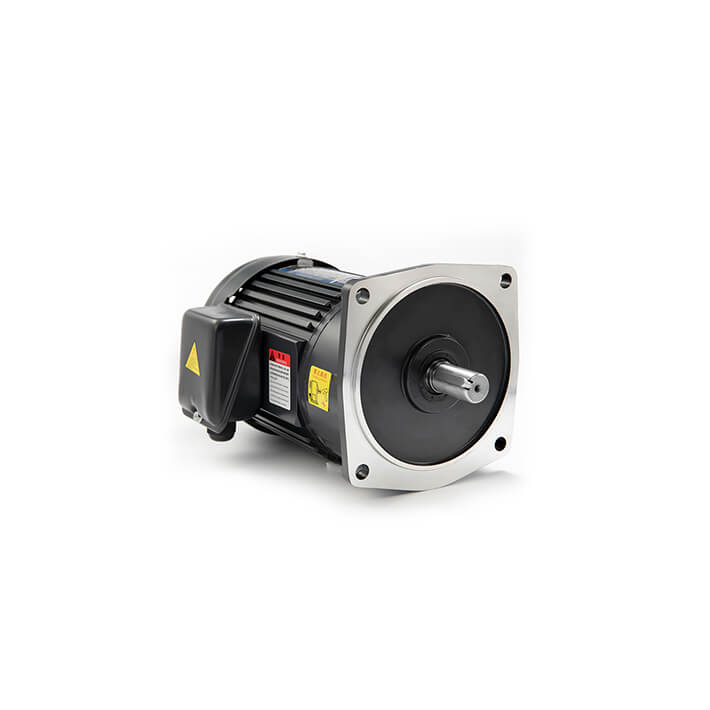
Was ist ein Motor für einen Betonmischer??
Ein Motor für einen Betonmischer ist die zentrale Antriebskomponente, die für die Drehung der Trommel und die Gewährleistung einer gleichmäßigen Mischung des Zements verantwortlich ist, Aggregate, und Wasser. Im Gegensatz zu Standardmotoren, Betonmischermotoren müssen ein hohes Anlaufdrehmoment liefern und einen stabilen Betrieb unter schwankenden Lasten aufrechterhalten.
Wichtige funktionale Anforderungen
- Hohes Drehmoment bei niedriger Drehzahl
- Fähigkeit, große Lastträgheit zu bewältigen
- Kontinuierliche oder intermittierende Arbeitszyklen
- Staubbeständig, Vibration, und Feuchtigkeit
Technische Einblicke
Durch den Mischvorgang entsteht je nach Materialkonsistenz ein unterschiedlicher Widerstand. Das bedeutet, dass der Motor auch bei abrupten Lastbedingungen die Drehmomentstabilität aufrechterhalten muss.
Warum die Motorauswahl für Betonmischer wichtig ist
Die Wahl des richtigen Motors ist nicht nur eine technische, sondern auch eine finanzielle Entscheidung. Eine falsche Motordimensionierung oder -typauswahl kann zu Ineffizienz führen, Überhitzung, oder vorzeitiger Ausfall.
Wichtigste Herausforderungen
- Hohe Startlast bei gefülltem Fass
- Häufige Start-Stopp-Zyklen
- Raue Betriebsumgebung
Kompromiss zwischen Kosten und Leistung
Viele Käufer legen Wert auf niedrige Anschaffungskosten, aber in Hochleistungsgeräten wie Betonmischern, Energieeffizienz und Langlebigkeit entscheiden oft über die langfristige Rentabilität.
Arten von Motoren, die in Betonmischern verwendet werden
Induktionsmotoren
Aufgrund der geringen Kosten und Robustheit der am häufigsten verwendete Motortyp.
BLDC-Motoren
Bieten höhere Effizienz und bessere Kontrolle, zunehmend in modernen Systemen eingesetzt.
Getriebemotoren
Bieten ein hohes Drehmoment bei niedrigen Drehzahlen, Ideal für Hochleistungsmixer.
Hydraulikmotoren
Wird in Mobil- oder Baustellenmischern verwendet, wo hydraulische Systeme verfügbar sind.
Entdecken Sie Optionen: BLDC-Motoren

Effizienzanalyse von Betonmischermotoren
Effizienz wirkt sich direkt auf den Energieverbrauch und die Betriebskosten aus.
Effizienz des Induktionsmotors
- 75–90 % Wirkungsgrad
- Bei Teillast absenken
Effizienz des BLDC-Motors
- 85–95 % Wirkungsgrad
- Konsistent über den gesamten Lastbereich
Technische Einblicke
Bei Bauprojekten mit Dauerbetrieb, Schon kleine Effizienzsteigerungen können die Stromkosten deutlich senken.
Drehmomentdichte und Lasthandhabung
Die Drehmomentdichte bestimmt, wie effektiv ein Motor schwere Lasten bewältigen kann.
Hoher Drehmomentbedarf
Betonmischer benötigen bei voller Beladung ein starkes Anlaufdrehmoment, um die Trommeldrehung einzuleiten.
Motorvergleich
- BLDC: Hohe Drehmomentdichte
- Induktion: Mäßiges Drehmoment
- Getriebemotor: Sehr hohes Abtriebsdrehmoment
Technische Einblicke
Getriebemotoren oder BLDC-Motoren werden bevorzugt, wenn Platzbeschränkungen und ein hohes Drehmoment von entscheidender Bedeutung sind.
Wärmeleistung und Kühlung
Aufgrund der Dauerlastbedingungen ist ein Wärmemanagement unerlässlich.
Thermische Herausforderungen
- Staubansammlung
- Hohe Umgebungstemperatur
- Dauerbetrieb
Kühllösungen
- Lüftergekühlte Motoren
- Beiliegende Designs (IP55/IP65)
Technische Einblicke
Überhitzung ist eine häufige Fehlerursache bei Betonmischern, Damit ist das thermische Design ein wichtiger Auswahlfaktor.
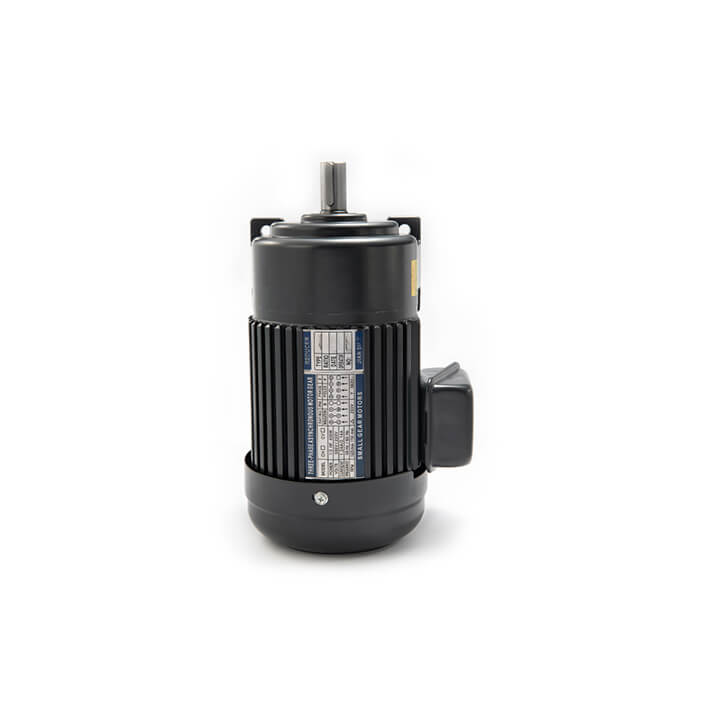
Steuerungssysteme für Betonmischermotoren
Steuerungssysteme beeinflussen Leistung und Effizienz.
Direkt online (DOL)
Einfach und kostengünstig, aber es mangelt an Flexibilität.
VFD-Steuerung
Ermöglicht die Anpassung der Geschwindigkeit und reduziert den Energieverbrauch.
BLDC-Controller
Sorgen Sie für präzise Kontrolle und verbesserte Effizienz.
Überlegungen zur Zuverlässigkeit und Lebensdauer
Haltbarkeit ist in Bauumgebungen von entscheidender Bedeutung.
Faktoren, die die Lebensdauer beeinflussen
- Ladezyklen
- Umweltbedingungen
- Wartungspraktiken
Technische Einblicke
Motoren mit besserer Abdichtung, Kühlung, und Steuerungssysteme halten in der Regel länger und erfordern weniger Wartung.
Zementmischermotor im Vergleich zu alternativen Lösungen
| Parameter | BLDC-Motor | Induktionsmotor | Hydraulikmotor |
|---|---|---|---|
| Effizienz | Hoch | Medium | Niedrig |
| Drehmomentdichte | Hoch | Medium | Sehr hoch |
| Kosten | Hoch | Niedrig | Hoch |
| Kontrolle | Fortschrittlich | Basic | Mäßig |
| Anwendungen | Moderne Systeme | Standardmischer | Mobile Ausrüstung |
Technische Interpretation
Jeder Motortyp hat seine Vorteile, BLDC-Motoren werden jedoch aufgrund ihrer Effizienz und Steuerung zunehmend bevorzugt, während Induktionsmotoren in kostensensiblen Anwendungen weiterhin dominieren.
So wählen Sie einen Motor für einen Betonmischer aus
Spannungsbereich
- Einphasig: 110V–220 V (kleine Mixer)
- Dreiphasig: 220V–380 V (Industriemischer)
Leistungsbereich
- Kleine Mixer: 0.5–2 kW
- Industriemischer: 5–30 kW
Geschwindigkeit / Drehmoment
Niedrige Drehzahl bei hohem Drehmoment ist unerlässlich. Getriebeuntersetzung kann erforderlich sein.
Kühlmethode
- Luftkühlung
- Geschlossene Kühlung für staubige Umgebungen
Controller-Kompatibilität
Stellen Sie die Kompatibilität mit VFD- oder BLDC-Controllern sicher, wenn eine variable Geschwindigkeit erforderlich ist.
Anwendungsspezifische Überlegungen
- Tragbarer vs. stationärer Mischer
- Arbeitszyklus (kontinuierlich vs. intermittierend)
- Umweltschutz (IP-Schutzart)
CTA: Fordern Sie ein Datenblatt an oder erhalten Sie eine OEM-Motorlösung für Ihre Betonmischeranwendung.
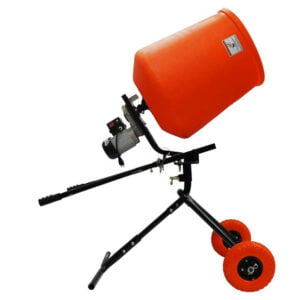
Anwendungen von Betonmischermotoren
Bauindustrie
- Tragbare Mixer
- Mischanlagen
Industrielle Anwendungen
- Herstellung von Betonfertigteilen
- Hochleistungsmischsysteme
Automatisierung und Robotik
- Automatisierte Mischsysteme
- Intelligente Baumaschinen
Zukünftige Trends in der Motortechnologie für Betonmischer
Die Branche bewegt sich in Richtung höherer Effizienz und intelligenterer Systeme.
- Einführung von BLDC-Motoren
- Integration mit IoT-Überwachung
- Energieeffiziente Vorschriften
Diese Trends steigern die Nachfrage nach fortschrittlichen Motorlösungen mit besserer Leistung und geringerem Energieverbrauch.
FAQ: Motor für Betonmischer
1. Welcher Motortyp eignet sich am besten für einen Betonmischer??
Induktionsmotoren sind weit verbreitet, BLDC-Motoren bieten jedoch eine bessere Effizienz und Steuerung für moderne Anwendungen.
2. Wie viel Leistung benötigt ein Betonmischermotor??
Typischerweise liegt der Bereich zwischen 0.5 kW für kleine Mischer zu über 20 kW für Industrieanlagen.
3. Kann ich einen VFD mit einem Betonmischermotor verwenden??
Ja, VFDs verbessern die Effizienz und ermöglichen die Geschwindigkeitsregelung, speziell für große Mixer.
4. Warum ist ein hohes Drehmoment wichtig??
Zum Starten und Aufrechterhalten der Drehung unter Schwerlastbedingungen ist ein hohes Drehmoment erforderlich.
5. Wie lange hält ein Betonmischermotor??
Bei richtiger Wartung, Industriemotoren können 10.000–30.000 Stunden oder mehr halten.
Fazit
Die Auswahl des richtigen Motors für einen Betonmischer erfordert eine ausgewogene Leistung, kosten, und Zuverlässigkeit. Während Induktionsmotoren weiterhin weit verbreitet sind, BLDC- und fortschrittliche Motorsysteme bieten erhebliche Vorteile in Bezug auf Effizienz und Steuerung.
Für OEMs und industrielle Einkäufer, Die Konzentration auf die Gesamtbetriebskosten statt auf den Anschaffungspreis führt zu besseren langfristigen Ergebnissen.
Nächster Schritt: Kontaktieren Sie unser Engineering-Team, um eine maßgeschneiderte Motorlösung zu entwickeln, die auf Ihre Betonmischeranwendung zugeschnitten ist.
Greensky Power Co., GmbH. ist ein professioneller Hersteller, der sich mit der Forschung beschäftigt, Entwicklung, Produktion, OEM-Motorräder, Verkauf eines kleinen Getriebemotors.
Wenn Sie einen kleinen Getriebemotor für Ihr Projekt suchen, wenden Sie sich bitte an unser Verkaufsteam.
Holen Sie sich ein kostenloses Angebot
Referenzen
- IEEE-Normen für Industriemotoren
- IEC-Effizienzrichtlinien
- Handbücher für die Baumaschinentechnik