
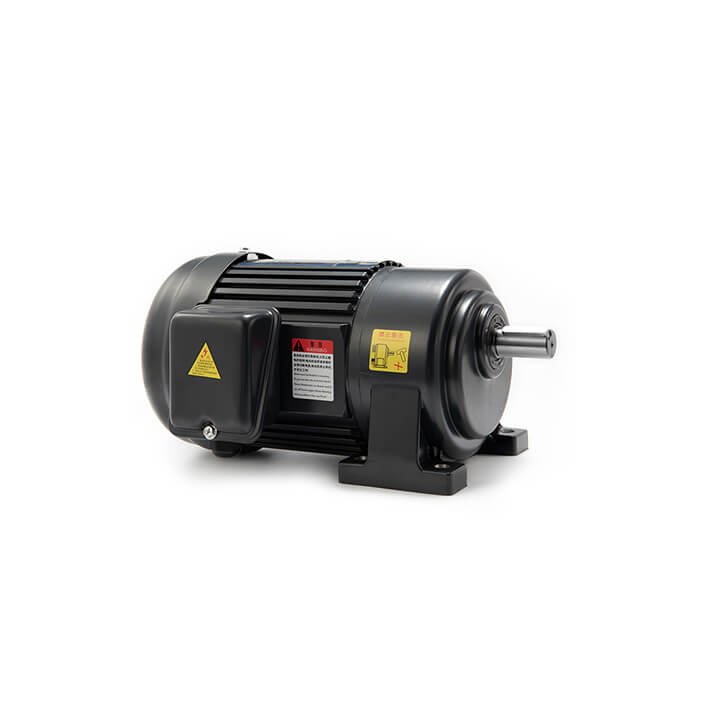
Motor for Cement Mixer: Complete Guide for Engineers and OEM Buyers
مقتطف مميز:
A motor for cement mixer is typically a high-torque electric motor designed to handle heavy loads, continuous operation, and harsh environments. The most common options include induction motors, محركات BLDC, و محركات موجهة. The right motor choice depends on torque requirements, دورة العمل, مزود الطاقة, and cost considerations. For industrial and OEM buyers, selecting the correct motor directly impacts mixing efficiency, equipment lifespan, والتكلفة الإجمالية للملكية. Modern systems increasingly adopt high-efficiency motors such as BLDC or inverter-driven motors to improve performance and reduce energy consumption.
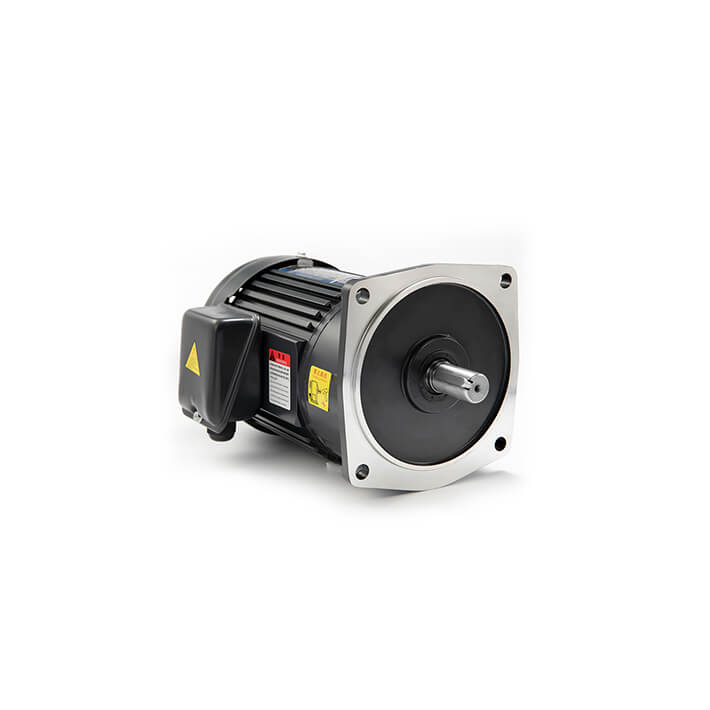
What is a Motor for Cement Mixer?
A motor for cement mixer is the core driving component responsible for rotating the drum and ensuring uniform mixing of cement, aggregates, and water. Unlike standard motors, cement mixer motors must deliver high starting torque and maintain stable operation under fluctuating loads.
Key Functional Requirements
- High torque at low speed
- Ability to handle heavy load inertia
- Continuous or intermittent duty cycles
- Resistance to dust, اهتزاز, and moisture
البصيرة الهندسية
The mixing process creates variable resistance depending on material consistency. This means the motor must maintain torque stability even when load conditions change abruptly.
Why Motor Selection Matters for Cement Mixers
Choosing the right motor is not only a technical decision but also a financial one. Incorrect motor sizing or type selection can lead to inefficiency, ارتفاع درجة الحرارة, or premature failure.
Key Challenges
- High starting load when drum is filled
- Frequent start-stop cycles
- Harsh operating environment
Cost vs Performance Trade-Off
Many buyers prioritize low initial cost, but in heavy-duty equipment like cement mixers, energy efficiency and durability often determine long-term profitability.
Types of Motors Used in Cement Mixers
المحركات الحثية
The most commonly used motor type due to low cost and robustness.
بي إل دي سي موتورز
Offer higher efficiency and better control, increasingly used in modern systems.
المحركات الموجهة
Provide high torque output at low speeds, ideal for heavy-duty mixers.
Hydraulic Motors
Used in mobile or construction-site mixers where hydraulic systems are available.
Explore options: بي إل دي سي موتورز

Efficiency Analysis of Cement Mixer Motors
Efficiency directly affects energy consumption and operating cost.
Induction Motor Efficiency
- 75– كفاءة 90%
- Lower at partial load
BLDC Motor Efficiency
- 85–95% efficiency
- Consistent across load range
البصيرة الهندسية
In construction projects with continuous operation, even small efficiency improvements can significantly reduce electricity costs.
Torque Density and Load Handling
Torque density determines how effectively a motor can handle heavy loads.
High Torque Requirement
Cement mixers require strong starting torque to initiate drum rotation when fully loaded.
Motor Comparison
- BLDC: كثافة عزم دوران عالية
- Induction: Moderate torque
- محرك موجه: Very high output torque
البصيرة الهندسية
Geared motors or BLDC motors are preferred when space constraints and high torque are critical.
Thermal Performance and Cooling
Heat management is essential due to continuous load conditions.
التحديات الحرارية
- Dust accumulation
- High ambient temperature
- Continuous operation
Cooling Solutions
- Fan-cooled motors
- Enclosed designs (IP55/IP65)
البصيرة الهندسية
Overheating is a common failure mode in cement mixers, making thermal design a key selection factor.
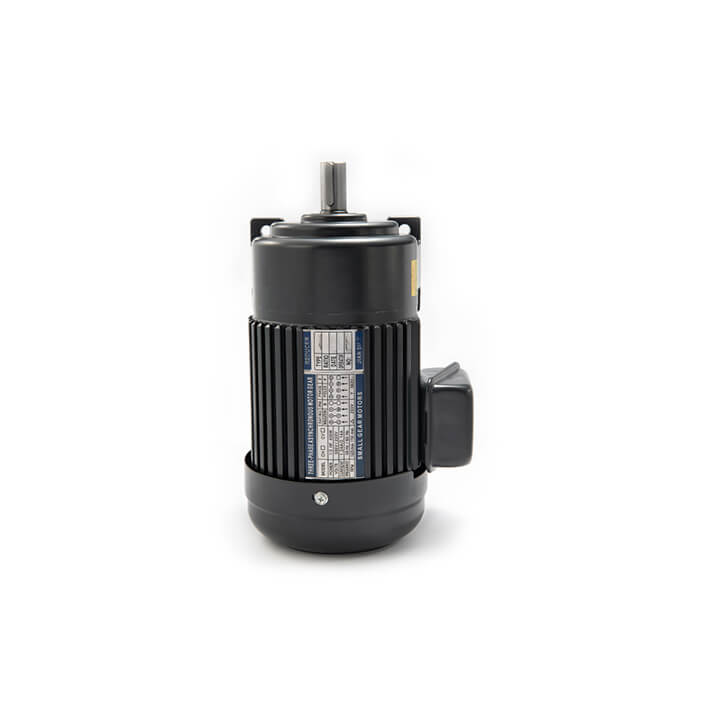
Control Systems for Cement Mixer Motors
Control systems influence performance and efficiency.
Direct-On-Line (دول)
Simple and cost-effective but lacks flexibility.
VFD Control
Allows speed adjustment and reduces energy consumption.
BLDC Controllers
Provide precise control and improved efficiency.
الموثوقية واعتبارات العمر
Durability is critical in construction environments.
Factors Affecting Lifespan
- Load cycles
- الظروف البيئية
- Maintenance practices
البصيرة الهندسية
Motors with better sealing, تبريد, and control systems typically last longer and require less maintenance.
Cement Mixer Motor vs Alternative Solutions
| المعلمة | محرك BLDC | المحرك التعريفي | Hydraulic Motor |
|---|---|---|---|
| كفاءة | عالي | واسطة | قليل |
| كثافة عزم الدوران | عالي | واسطة | عالية جدًا |
| يكلف | عالي | قليل | عالي |
| يتحكم | متقدم | أساسي | معتدل |
| التطبيقات | Modern systems | Standard mixers | Mobile equipment |
التفسير الهندسي
Each motor type has its advantages, but BLDC motors are increasingly preferred for efficiency and control, while induction motors remain dominant in cost-sensitive applications.
How to Choose a Motor for Cement Mixer
نطاق الجهد
- Single-phase: 110V–220V (small mixers)
- Three-phase: 220الخامس – 380 فولت (industrial mixers)
نطاق القوة
- Small mixers: 0.5–2 kW
- Industrial mixers: 5-30 كيلوواط
سرعة / عزم الدوران
Low speed with high torque is essential. Gear reduction may be required.
طريقة التبريد
- تبريد الهواء
- Enclosed cooling for dusty environments
توافق وحدة التحكم
Ensure compatibility with VFD or BLDC controllers if variable speed is required.
الاعتبارات الخاصة بالتطبيق
- Portable vs stationary mixer
- دورة العمل (continuous vs intermittent)
- Environmental protection (تصنيف IP)
الحث على اتخاذ إجراء: Request datasheet or get OEM motor solution for your cement mixer application.
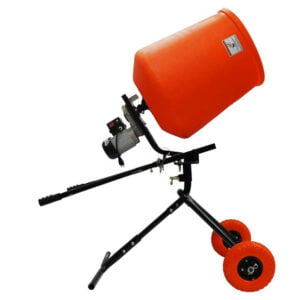
Applications of Cement Mixer Motors
Construction Industry
- Portable mixers
- Batching plants
التطبيقات الصناعية
- Precast concrete production
- Heavy-duty mixing systems
الأتمتة والروبوتات
- Automated mixing systems
- Smart construction equipment
Future Trends in Cement Mixer Motor Technology
The industry is moving toward higher efficiency and smarter systems.
- Adoption of BLDC motors
- Integration with IoT monitoring
- Energy-efficient regulations
These trends are driving demand for advanced motor solutions with better performance and lower energy consumption.
التعليمات: Motor for Cement Mixer
1. What type of motor is best for a cement mixer?
Induction motors are common, but BLDC motors offer better efficiency and control for modern applications.
2. How much power does a cement mixer motor need?
Typically ranges from 0.5 kW for small mixers to over 20 kW for industrial systems.
3. Can I use a VFD with a cement mixer motor?
نعم, VFDs improve efficiency and allow speed control, especially for large mixers.
4. Why is high torque important?
High torque is required to start and maintain rotation under heavy load conditions.
5. How long does a cement mixer motor last?
With proper maintenance, industrial motors can last 10,000–30,000 hours or more.
استنتاج
Selecting the right motor for cement mixer requires balancing performance, يكلف, والموثوقية. While induction motors remain widely used, BLDC and advanced motor systems offer significant advantages in efficiency and control.
For OEMs and industrial buyers, focusing on total cost of ownership rather than initial price leads to better long-term results.
الخطوة التالية: Contact our engineering team to design a custom motor solution tailored to your cement mixer application.
شركة جرينسكي للطاقة, المحدودة. هي شركة محترفة تعمل في مجال البحث, تطوير, إنتاج, الدراجات النارية OEM, بيع محرك العتاد الصغير.
إذا كنت تبحث عن محرك تروس صغير لمشروعك, يرجى الاتصال بفريق المبيعات لدينا.
مراجع
- IEEE Industrial Motor Standards
- IEC Efficiency Guidelines
- Construction Equipment Engineering Manuals