
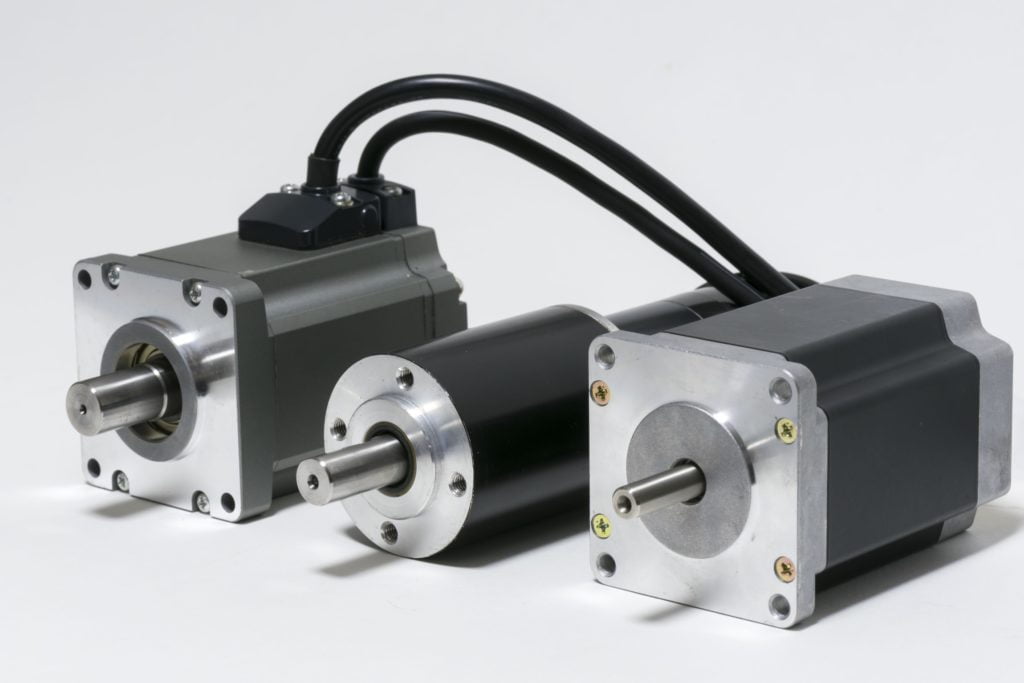
محرك سيرفو مقابل محرك السائر: عزم الدوران, سرعة, دقة & التكلفة – كيفية اختيار الخيار المناسب
إذا كنت تصمم نظامًا للتحكم في الحركة - سواء لجهاز التوجيه CNC, طابعة ثلاثية الأبعاد, ذراع آلية, أو خط تعبئة عالي السرعة - يقع قرار المحرك المؤازر مقابل المحرك السائر في قلب فاتورة المواد الخاصة بك. يوفر كلا النوعين من المحركات تحديد موضع دقيق, لكنهم يحققون ذلك من خلال أبنية مختلفة بشكل أساسي. يتحرك المرء في خطوات زاوية منفصلة دون التحقق من الموقع; والآخر يقوم بالتصحيح الذاتي بشكل مستمر ضد برنامج التشفير.
السؤال الحقيقي ليس ما هو المحرك “أحسن,” ولكن أي واحد يناسب سرعتك, عزم الدوران, دقة, ومتطلبات الميزانية. يقسم هذا الدليل المقارنة عبر ثمانية أبعاد - بنية التحكم, سلوك عزم الدوران, سرعة, دقة, كفاءة, الضوضاء, تكلفة النظام, وملاءمة التطبيق - مع البيانات المستمدة من اختبار إطار NEMA الحقيقي وتكوينات محرك الأقراص الصناعية.
1. الفرق المعماري: خطوات الحلقة المفتوحة مقابل الحركة المستمرة ذات الحلقة المغلقة
يكمن الانقسام الأساسي بين هذين النوعين من المحركات في كيفية التحقق من موضعهما.
1.1 كيف يعمل محرك السائر
أ السائر المحركات يقسم الدوران الكامل بزاوية 360 درجة إلى أجزاء زاوية متساوية — عادةً 200 خطوات لكل ثورة (1.8° لكل خطوة) للحصول على معيار NEMA 17 أو نيما 23 السائر الهجين. في كل مرة يقوم السائق بتنشيط مرحلة الملف بالتسلسل, يتقدم الدوار خطوة واحدة بالضبط. لأن زاوية الخطوة ثابتة ميكانيكيًا, يمكن لوحدة التحكم حساب الموضع ببساطة عن طريق حساب النبضات - لا حاجة إلى مستشعر خارجي. وهذا ما يسمى التحكم في الحلقة المفتوحة: يتم إخبار المحرك إلى أين يذهب, لكنها لا تبلغ أبدًا عما إذا كانت قد وصلت بالفعل.
Microstepping - تقسيم كل خطوة كاملة إلى 16, 32, أو ما يصل إلى 256 الخطوات الفرعية - تعمل على تحسين سلاسة الحركة وزيادة الدقة الفعالة. محرك 200 خطوة مع 256× عرض دقيق 51,200 المواقف النظرية لكل ثورة. لكن, microstepping لا يضمن الدقة المطلقة: في عزم دوران منخفض, يصبح الثبات بين مواضع تثبيت الخطوة الكاملة غير مؤكد. تفاوت زاوية الخطوة ±5% (±0.09°) يبقى أرضية الدقة العملية.
أنواع المحركات السائر:
| يكتب | زاوية الخطوة | عزم الدوران | مدى السرعة | التكلفة النموذجية |
|---|---|---|---|---|
| المغناطيس الدائم (مساءً) | 7.5°–15° | واسطة | منخفض – متوسط | أدنى |
| تردد متغير (الواقع الافتراضي) | 5°–15° | قليل | عالي | واسطة |
| هجين (لا يوجد 17/23/34) | 0.9°–1.8 درجة | عالي | متوسطة - عالية | أعلى |
1.2 كيف يعمل محرك سيرفو
محرك سيرفو - عادةً أ محرك DC بدون فرش (BLDC) أو محرك متزامن ذو مغناطيس دائم (PMSM) — يعمل داخل حلقة تحكم مغلقة. يقوم جهاز التشفير المثبت على العمود بإبلاغ الموقع الفعلي إلى محرك الأقراص بشكل مستمر. يقوم محرك الأقراص بمقارنة الموضع المتحكم به بالموضع الفعلي, يحسب الخطأ, ويضبط تيار المحرك من خلال PID (التناسبي-التكاملي-المشتق) حلقة التحكم لدفع الخطأ نحو الصفر – عشرات الآلاف من المرات في الثانية.
تعني هذه البنية أن المحركات المؤازرة تتحقق من موضعها في كل دورة تحكم. لا يفعلون ذلك “يفترض” وصلوا إلى الهدف; يقيسونها. إذا قامت قوة خارجية بدفع العمود إلى خارج موضعه, يكتشف محرك الأقراص الاضطراب ويعوضه على الفور. تحدد دقة التشفير دقة تحديد موضع النظام: يوفر التشفير المطلق 17 بت 131,072 مواقف منفصلة لكل ثورة (≈0.0027°).
الأنواع الفرعية للمحركات المؤازرة الرئيسية:
- محركات سيرفو تعمل بالتيار المتردد (متزامن/الحث): المهيمنة في مجال الأتمتة الصناعية – مراكز التصنيع باستخدام الحاسب الآلي, الأسلحة الروبوتية, خطوط التعبئة والتغليف. تعمل عند 200-480 فولت تيار متردد بسرعات مقدرة تبلغ 3000-6000 دورة في الدقيقة.
- محركات سيرفو بالتيار المستمر (نحى / فرش): شائع في الأنظمة الأصغر والتطبيقات التي تعمل بالبطارية. خدمات العاصمة بدون فرش تقدم كفاءة أعلى وعمر أطول من المتغيرات المصقولة.
1.3 مقارنة التحكم في لمحة
| يصف | السائر المحركات (حلقة مفتوحة) | محرك سيرفو (حلقة مغلقة) |
|---|---|---|
| ردود الفعل الموقف | لا أحد (يفترض عدد الخطوات = الموضع) | التشفير - القياس المستمر في الوقت الحقيقي |
| التحقق من الموقف | لا - لا يتم اكتشاف الخطوات المفقودة | نعم — تم اكتشاف الخطأ وتصحيحه في كل دورة |
| تعقيد التحكم | منخفض - نبضات الخطوة/الاتجاه | عالي — يلزم ضبط PID (حاضِر, سرعة, حلقات الموقف) |
| عدد القطب | 50-100+ أقطاب (الأمثل للخطوات المنفصلة) | 4– 8 أقطاب (الأمثل للدوران المستمر) |
| شخصية الحركة | تزايدي – خطوات منفصلة لكل نبضة | مستمر - دوران سلس عبر نطاق السرعة الكامل |
| محرك الالكترونيات | مولد نبض بسيط + سائق السائر | محرك مؤازر معقد مع FOC وPID متعدد الحلقات |
2. سلوك عزم الدوران: لماذا تصطدم السائرون بالحائط بسرعة
عزم الدوران هو المكان الذي تترجم فيه الاختلافات المعمارية إلى حدود أداء صعبة - وهو المكان الذي يفاجأ فيه العديد من مصممي الحركة لأول مرة.
2.1 منحنيات عزم الدوران والسرعة: انهيار السائر
ينتج المحرك السائر أقصى عزم دوران عند سرعة صفر (عقد عزم الدوران), ثم ينخفض عزم الدوران بشكل خطي تقريبًا مع زيادة السرعة. الفيزياء وراء هذا: يحتوي كل ملف على محاثة تحد من سرعة ارتفاع التيار بين الخطوات. مع زيادة معدل الخطوة, لا يصل التيار أبدًا إلى قيمته المقدرة الكاملة قبل مفتاح المرحلة التالية - ينخفض عزم الدوران الفعال. بمقدار 1000-1500 دورة في الدقيقة, نيما نموذجية 23 ينتج السائر 20-30٪ فقط من عزم الدوران المقدر له. بواسطة 3,000 دورة في الدقيقة, يمكن أن ينخفض الناتج أدناه 0.1 N·m حتى بالنسبة للمحركات التي تم تقييمها بـ 1.5 N·m عقد عزم الدوران.
على النقيض من ذلك، يحافظ المحرك المؤازر على عزم الدوران المقدر من السرعة القريبة من الصفر وصولاً إلى عدد الدورات في الدقيقة المقدر (عادة 3000-6000 دورة في الدقيقة). ويمكنه أيضًا توفير عزم دوران مقدر بـ 2–3× كذروة عابرة لدفقات تسارع قصيرة المدة. ويعني ملف تعريف سرعة عزم الدوران المختلف بشكل أساسي أن أجهزة الخطوة والمؤازرة غير قابلة للتبديل في التطبيقات ذات متطلبات السرعة الكبيرة.
2.2 بيانات عزم الدوران الحقيقي: لا يوجد 23 مقارنة الإطار
| سرعة | لا يوجد 23 السائر (1.5 ن · م تصنيف) | 400دبليو تيار متردد سيرفو (1.27 ن · م تصنيف) |
|---|---|---|
| 0 دورة في الدقيقة (عقد) | 1.5 ن · م | 0 ن · م (يتطلب الكبح النشط) |
| 500 دورة في الدقيقة | ≈1.2 نيوتن · م | 1.27 ن·م مستمر |
| 1,500 دورة في الدقيقة | ≈0.3 نيوتن متر (80% خسارة) | 1.27 ن·م مستمر |
| 3,000 دورة في الدقيقة | <0.1 ن · م (بالقرب من الصفر) | 1.27 ن·م مستمر, 3.8 N · م الذروة |
البيانات من نيما 23 السائر الهجين مقابل. 400اختبار مقاعد البدلاء المؤازرة W AC. تختلف القيم الفعلية حسب الشركة المصنعة وجهد المحرك.
2.3 عقد عزم الدوران مقابل عزم الدوران الديناميكي
| نوع عزم الدوران | السائر المحركات | محرك سيرفو |
|---|---|---|
| عقد العزم (0 دورة في الدقيقة) | عزم الدوران الكامل - لا حاجة إلى فرامل للأحمال الرأسية أو التثبيت | يتطلب تيارًا نشطًا أو فرامل ميكانيكية لتثبيت الوضع |
| عزم دوران منخفض السرعة (<500 دورة في الدقيقة) | ممتاز - قريب من الاحتفاظ بعزم الدوران | جيد - يتوفر عزم دوران مستمر مُقدر |
| عزم دوران عالي السرعة (>1,500 دورة في الدقيقة) | ينخفض بشكل حاد - الحث يحد من وقت الارتفاع الحالي | يتم الحفاظ على عزم الدوران الكامل المقدر عبر نطاق السرعة |
| الذروة/الحمل الزائد عزم الدوران | لا شيء - يؤدي تجاوز حد عزم الدوران إلى فقدان الخطوة الصامتة | 2-3× مُصنف لفترات قصيرة (رشقات نارية التسارع) |
الآثار العملية: إذا كان حملك يتطلب الثبات في وضعية ضد الجاذبية (المحور Z العمودي, المشبك, بوابة ناقل متوقفة مؤقتا), يعد عزم الدوران المتأصل في السائر ميزة حقيقية - فهو يثبت في مكانه مجانًا. ولكن إذا كان تطبيقك يعمل بشكل مستمر أعلاه 1,000 دورة في الدقيقة, إن انهيار عزم دوران السائر يجعله غير قابل للاستخدام بشكل فعال بغض النظر عن معدل عزم دورانه.
3. السرعة والتسارع: نقطة العبور
3.1 نطاقات السرعة
| معلمة السرعة | السائر المحركات | محرك سيرفو |
|---|---|---|
| نطاق السرعة القابل للاستخدام | 0-1,000 دورة في الدقيقة (عزم الدوران ذو معنى) | 0-6,000+ دورة في الدقيقة (الحفاظ على عزم الدوران الكامل) |
| نطاق التشغيل الأمثل | <500 دورة في الدقيقة | نطاق تصنيف كامل |
| كروس عملي | 500–1000 دورة في الدقيقة – فوق هذا, المؤازرة هي الاختيار الواضح | |
| القدرة على التسارع | محدودة - خطوات منفصلة + ارتفاع الجمود الدوار | دوار عالي - منخفض القصور الذاتي; السرعة الكاملة بالمللي ثانية |
فرق التسارع له عواقب حقيقية. إن السائر الذي يُطلب منه التعجيل بقوة شديدة سوف يفقد ببساطة خطواته - فالدوار لا يمكنه متابعة دوران المجال المغناطيسي. النظام ليس لديه طريقة للكشف عن هذا الفشل. محرك سيرفو, على النقيض من ذلك, تراقب ردود فعل التشفير في الوقت الحقيقي; إذا تجاوز التسارع المأمور به قدرة النظام, يمكن أن يخطئ محرك الأقراص, تقليل الملف الشخصي, أو الإبلاغ عن خطأ بدلاً من فقدان المركز بصمت. وهذا يجعل الماكينات الخيار الأكثر أمانًا في التطبيقات التي من الممكن حدوث تغييرات غير متوقعة في التحميل.
3.2 مطابقة القصور الذاتي
تعد نسبة القصور الذاتي للحمل إلى الدوار أحد الاعتبارات الهامة التي غالبًا ما يتم تجاهلها في مقارنات السائر إلى المؤازرة. تتميز المحركات الخطوية بقصور ذاتي أعلى للدوار بسبب بنيتها ذات عدد الأقطاب العالي, مما يجعلهم أكثر تسامحًا مع عدم تطابق القصور الذاتي المعتدل - بنسب تصل إلى 10:1 مقبولة بشكل عام. أجهزة المحركات, مع الجمود الدوار السفلي, غالبًا ما تتطلب مطابقة أكثر إحكامًا (3:1 إلى 5:1 للأنظمة عالية الأداء, على الرغم من أن محركات الضبط التلقائي الحديثة يمكنها التعامل مع ما يصل إلى 10:1-20:1 مع انخفاض عرض النطاق الترددي). عندما يكون عدم تطابق الجمود شديدًا, أ ناقل الحركة يصبح ضروريًا - إضافة التكلفة والتعقيد الميكانيكي إلى أي من الحلين.
4. دقة تحديد المواقع: المصيدة ±0.005° مقابل ±0.02°
كثيرا ما يساء فهم أرقام الدقة في أوراق البيانات الحركية. تبدو دقة كل خطوة للمحرك السائر التي تبلغ ±0.005° أفضل من الدقة التي تبلغ ±0.02° للمحرك المؤازر - لكن هذه الأرقام تصف أشياء مختلفة بشكل أساسي.
4.1 دقة الخطوة الواحدة مقابل الدقة التراكمية
| متري الدقة | السائر المحركات | محرك سيرفو |
|---|---|---|
| دقة خطوة واحدة | ± 0.005 درجة (±5% من 1.8 درجة) | ± 0.02 درجة (تعتمد على التشفير) |
| الخطأ التراكمي | غير محدود - كل خطوة مفقودة تضيف خطأ, غير مكتشفة | محدود - يقوم جهاز التشفير بتصحيح كل دورة |
| خطأ تحت التحميل | يزيد; لا توجد آلية للتعويض | يبقى ضمن المواصفات; يقوم PID بتصحيح الاضطرابات |
| اكتشاف الخطأ | لا شيء - تفترض الحلقة المفتوحة أن الموضع صحيح | مستمر - خطأ = أمر - فعلي |
| 17-خطأ تراكمي في برنامج تشفير البت | لا يوجد | ≈±0.0028° (بعد تصحيح PID) |
ال “فخ”: تعد دقة الخطوة الواحدة للسائر جيدة حقًا - ±0.005 درجة تقريبًا 5% من خطوة واحدة كاملة. ولكن إذا خسر المحرك 4 خطوات خلال خطوة 10000 خطوة (ربما بسبب ارتفاع الحمل لحظة), أولئك 4 تضيف الخطوات المفقودة 7.2 درجة من خطأ الموضع. النظام لا يعرف أبدا. تعمل المؤازرة بدقة تبلغ ±0.02 درجة لكل جهاز تشفير على تصحيح هذا الخطأ في دورة PID التالية - أي بعد النقل, ويحد الخطأ التراكمي من دقة التشفير, وليس بعدد الاضطرابات التي حدثت على طول الطريق.
للتطبيقات حيث “قريب بما فيه الكفاية” جيد حقًا - طابعة سطح مكتب ثلاثية الأبعاد تبث PLA, اختيار أساسي واختيار مكان مع تفاوتات سخية - دقة السائر أكثر من كافية. بالنسبة للتطبيقات التي قد يؤدي فيها موضع واحد مفقود إلى إلغاء جزء ما - تصنيع شفرة توربينات الفضاء الجوي, محاذاة رقاقة أشباه الموصلات - تصحيح الحلقة المغلقة للمؤازرة غير قابل للتفاوض.
5. الكفاءة والسلوك الحراري: ال “تشغيل دائمًا” مشكلة السائر
| مقياس الكفاءة | السائر المحركات | محرك سيرفو |
|---|---|---|
| كفاءة منخفضة السرعة | 70-80% | 80-90% |
| كفاءة عالية السرعة | 50-60% | 85-95% |
| الخمول / القدرة القابضة | التيار المقنن الكامل - ثابت, بغض النظر عن الحركة | قريب من الصفر - يسحب التيار المتناسب فقط مع عزم الدوران للحمل |
| إخراج الحرارة (عاطل) | عالي - تيار الملف الثابت يولد حرارة مستمرة | منخفض - الحد الأدنى من سحب التيار عندما يكون ثابتًا |
| عامل القوة | 0.5-0.7 | 0.8-0.9 |
| استعادة الطاقة | غير متوفر | متوفر مع محركات التجدد (عادت طاقة الكبح إلى حافلة DC) |
| تأثير حياة المكونات | تؤدي الحرارة المستمرة إلى تدهور عزل الملفات وشحم التحمل | تعمل عملية التبريد على إطالة فترة العزل وعمر التحمل |
ربما يكون هذا هو محرك التكلفة الأكثر إغفالًا في الأنظمة طويلة الأمد. يسحب محرك السائر تيارًا مقننًا حتى أثناء الإمساك بالموضع - يجب عليه ذلك, لأن عقد عزم الدوران يتم إنشاؤه عن طريق الإثارة المستمرة للملف. في أ 24/7 بيئة الإنتاج, يُترجم سحب الطاقة المستمر هذا إلى تكاليف الكهرباء والحرارة التي يجب إدارتها. تسحب المحركات المؤازرة تيارًا متناسبًا مع الحمل الميكانيكي: يجلس خاملا, أنها تستهلك طاقة قريبة من الصفر. على مدى عمر خدمة الماكينة من 5 إلى 10 سنوات, يمكن أن تؤدي فجوة الكفاءة إلى تعويض الكثير من التكلفة الأولية المرتفعة للأجهزة - خاصة في تطبيقات دورة العمل العالية مثل أنظمة النقل أو خطوط التعبئة المستمرة.
لتطبيقات الخدمة المتقطعة — أداة معملية تعمل دورة واحدة في الساعة, تستخدم الطابعة ثلاثية الأبعاد في عطلات نهاية الأسبوع - فرق الكفاءة أقل أهمية بكثير, وبساطة السائر والتكلفة الأولية المنخفضة تفوز بسهولة.
6. ضوضاء, اهتزاز, وسلاسة الحركة
| حالة التشغيل | ضجيج محرك السائر (ديسيبل) | ضجيج محرك سيرفو (ديسيبل) |
|---|---|---|
| سرعة منخفضة (<100 دورة في الدقيقة) | 50-60 | 40-50 |
| سرعة متوسطة (100-500 دورة في الدقيقة) | 60-70 | 50-60 |
| سرعة عالية (>500 دورة في الدقيقة) | 70-80 | 60-70 |
| التسارع/التباطؤ | 65-75 | 55-65 |
| موقف القابضة | 40-50 (هسهسة من الملف الحالي) | 30-40 (شبه صامت) |
تنتج المحركات المتدرجة صوتًا مسموعًا مميزًا “أنين” - صوت كل خطوة مثيرة للملفات. بسرعات معينة, يعمل الرنين الميكانيكي على تضخيم ذلك إلى اهتزاز يمكن أن يهز حامل المحرك بشكل واضح. Microstepping وبرامج التشغيل المتقدمة (مثل سلسلة Trinamic TMC مع StealthChop) يمكن أن تقلل هذه الضوضاء بشكل كبير - العديد من الطابعات ثلاثية الأبعاد الحديثة أصبحت الآن صامتة بشكل فعال - ولكن خطر الرنين الأساسي يظل موجودًا عبر نطاق السرعة.
تنتج المحركات المؤازرة أكثر سلاسة, عزم دوران أكثر استمرارًا بسبب انخفاض عدد الأقطاب والتخفيف الجيبي (التحكم الميداني). والنتيجة هي تشغيل أكثر هدوءًا واهتزازًا ميكانيكيًا أقل عبر نطاق السرعة الكامل - وهو أمر بالغ الأهمية في الأجهزة الطبية, معدات الفحص البصري, وأي تطبيق بالقرب من الأجهزة الحساسة.
7. تكلفة النظام: الواقع 3-5×
تعتبر مقارنات أسعار السيارات فقط مضللة. قد يكون المحرك المتدرج نفسه أرخص بنسبة 20-30% من محرك سيرفو ذو حجم إطار مماثل — لكن المحرك ليس سوى مكون واحد في محور الحركة. ما يهم هو الفاتورة الكاملة للمواد.
7.1 مقارنة تكلفة قائمة مكونات الصنف أحادية المحور (2025– تسعير 2026)
| نوع النظام | عناصر | وقت التشغيل | قائمة مكونات الصنف أحادية المحور |
|---|---|---|---|
| السائر ذو الحلقة المفتوحة | لا يوجد 23 محرك + سائق DM556 + مولد النبض/المفهرس | <1 ساعة | $80– 180 دولارًا |
| حلقة مغلقة السائر | لا يوجد 23 محرك + سائق حلقة مغلقة + 1,000 التشفير طاعون المجترات الصغيرة | 1-ساعاتين | $200– 350 دولارًا |
| سيرفو التيار المتردد | 400محرك سيرفو دبليو + محرك سيرفو + 17-بت التشفير المطلق (مدمج) | 2– 4 ساعات (معرف المنتج + ضبط FOC) | $400– 900 دولار |
الوجبات السريعة الرئيسية:
- فجوة التكلفة على مستوى النظام بين السائر ذو الحلقة المفتوحة ومضاعفات التيار المتردد هي 3-5 ×, ليس 20-30%.
- تعمل أدوات الحركة ذات الحلقة المغلقة على سد الفجوة تقريبًا 60% من تكلفة نظام المؤازرة مع الحصول على 70-80% من فائدة الدقة.
- وقت التشغيل هو تكلفة حقيقية: قد يتطلب الروبوت المؤازر ذو 6 محاور يومًا كاملاً من ضبط PID; يمكن تشغيل نظام السائر ذو 6 محاور خلال ساعات.
7.2 عوامل التكلفة طويلة المدى
| عامل التكلفة | السائر | مضاعفات |
|---|---|---|
| تكلفة الطاقة (24/7 عملية) | أعلى - السحب الحالي المستمر | أقل - التيار يتناسب مع الحمل |
| تحميل التبريد/التدفئة والتهوية وتكييف الهواء | أعلى - إخراج الحرارة المستمر | أقل - عملية أكثر برودة |
| صيانة | أقل - مكونات أقل, لا التشفير | أعلى - التشفير, إلكترونيات أكثر تعقيدًا |
| قطع غيار | أقل – تبديل بسيط للسائق | أعلى - أزواج محرك متطابقة |
| تكلفة التوقف | أقل - استبدال سريع | أعلى - نظام أكثر تعقيدا للتشخيص |
| قابلية التوسع (إضافة محاور) | تكلفة إضافية صغيرة — أضف سائقًا + محرك | انخفاض لكل محور على نطاق واسع — ناقل DC مشترك, محركات متعددة المحاور |
لمشروع مقيد بالميزانية مع ملفات تعريف حركة يمكن التنبؤ بها ودورات عمل منخفضة, يعد سعر السائر ذي الحلقة المفتوحة الذي يتراوح بين 80 و180 دولارًا لكل محور أمرًا مقنعًا. لتشغيل آلة الإنتاج 24/7 مع الأحمال المتغيرة, عادةً ما يتم استرداد التكلفة الأولية المرتفعة للمؤازرة من خلال توفير الطاقة, خردة مخفضة, وإنتاجية أعلى خلال أول 2-3 سنوات. عندما تحتاج إلى حل المحرك المخصص مطابقة للجهد المحدد الخاص بك, عزم الدوران, ومتطلبات عامل الشكل, يمكن لفريق Greensky الهندسي المساعدة في تقييم كلا الخيارين مقابل قائمة مكونات الصنف (BOM) المستهدفة لديك.
8. حلقة مغلقة السائر: الهجين الذي يقسم الفرق
بين بساطة أداة السائر ذات الحلقة المفتوحة وأداء المؤازرة الكاملة توجد أرضية وسطية ذات شعبية متزايدة: نظام السائر ذو الحلقة المغلقة. عن طريق إضافة التشفير التزايدي (عادة 1000-4000 طاعون المجترات الصغيرة) إلى محرك متدرج وإقرانه بمحرك يراقب ردود الفعل, تعالج محركات الخطوة ذات الحلقة المغلقة نقطتي الضعف الحاسمتين في متغير الحلقة المفتوحة - فقدان الخطوة غير المكتشفة وسحب التيار الكامل المستمر - دون تكلفة وتعقيد المؤازرة.
8.1 ما الذي تكسبه محركات السائر ذات الحلقة المغلقة
| ميزة | السائر ذو الحلقة المفتوحة | حلقة مغلقة السائر | سيرفو التيار المتردد |
|---|---|---|---|
| كشف خطوة الخسارة | لا أحد | نعم - يكتشف محرك الأقراص انحراف الموضع | بنيت في الهندسة المعمارية |
| اللائحة الحالية | تيار مقنن ثابت | ديناميكي - يتم تقليله عند الحمل المنخفض | الحمل المتناسب (الأكثر دقة) |
| دقة الموقف تحت الحمل | يحط; لا تصحيح | تم تصحيحه ضمن دقة التشفير | التصحيح الكامل |
| انهيار عزم الدوران عالي السرعة | نفسه — الفيزياء دون تغيير | نفسه — الفيزياء دون تغيير | لا انهيار (هندسة معمارية مختلفة) |
| تموج عزم الدوران | الحاضر - متأصل في عدد الأعمدة المرتفع | تم تقليله ولكن لم يتم القضاء عليه | الحد الأدنى (FOC محرك الجيبية) |
| قائمة مكونات الصنف أحادية المحور | $80– 180 دولارًا | $200– 350 دولارًا | $400– 900 دولار |
8.2 ما لا تستطيع أدوات الخطوة ذات الحلقة المغلقة إصلاحه
يقوم المشفر بتصحيح الأخطاء الموضعية وتقليل التيار الضائع, لكنها لا تستطيع تغيير الفيزياء الأساسية للمحرك. انهيار عزم الدوران مقابل السرعة - انخفاض عزم الدوران الماضي 1,500 دورة في الدقيقة - هو نتيجة للحث العالي, بنية السائر ذات عدد الأقطاب العالية, وليس استراتيجية السيطرة. لا يوجد قدر من ردود الفعل يستعيد عزم الدوران عند 3,000 دورة في الدقيقة على السائر. بصورة مماثلة, يظل تموج عزم الدوران والرنين متأصلين في إثارة الطور المنفصل; يمكن لجهاز التشفير اكتشاف خطأ الموضع الناتج ولكن لا يمكنه حله بالكامل.
للتطبيقات حيث تبقى السرعة أدناه 1,000 عدد الدورات في الدقيقة ولكن السلامة الموضعية مهمة - جهاز توجيه CNC متوسط المدى يقطع الخشب الصلب, اختيار ومكان على الميزانية, يتم تحديث وتحديث آلة السائر الحالية - غالبًا ما يكون السائر ذو الحلقة المغلقة هو أفضل عرض من حيث القيمة. يمكن أن تكلف ترقية محور الحلقة المفتوحة الموجود أقل من ذلك $250 مع أ 1,000 تشفير PPR وحلقة مغلقة تحكم المحرك.
9. دليل الاختيار الخاص بالتطبيق
لا يوجد نوع محرك يفوز بكل تطبيق. يوجد أدناه تفصيل تم اختباره ميدانيًا حسب نوع الجهاز.
9.1 آلات التصنيع باستخدام الحاسب الآلي
| فئة CNC | ميزانية | المحرك الموصى به | سبب |
|---|---|---|---|
| هواية/جهاز التوجيه باستخدام الحاسب الآلي لسطح المكتب (يمول, الخشب اللين) | <$3,000 | لا يوجد 23 السائر ذو الحلقة المفتوحة | قوى القطع المنخفضة, الأحمال المتوقعة |
| جهاز التوجيه CNC متوسط المدى (الخشب الصلب, الألومنيوم) | $5,000– 15000 دولار | لا يوجد 23/34 حلقة مغلقة السائر | متطلبات عزم دوران أعلى; خسارة الخطوة = قطعة العمل المدمرة |
| إنتاج مطحنة CNC / مخرطة / بلازما | >$25,000 | سيرفو التيار المتردد | عزم الدوران المستمر >2,000 دورة في الدقيقة, أحمال القطع المتغيرة |
9.2 3طابعات د
| 3فئة الطابعة D | المحرك الموصى به | سبب |
|---|---|---|
| سطح المكتب FDM (بروسا, معمل الخيزران, فورون) | لا يوجد 17 السائر ذو الحلقة المفتوحة | الأحمال المتوقعة, <300 مم/ثانية, السائقين الصامتة المتاحة (TMC) |
| طابعة صناعية ثلاثية الأبعاد (إتش بي إم جي إف, ستراتاسيس F- سلسلة) | سيرفو التيار المتردد | تقترب سرعات الطباعة 1 آنسة, 24/7 دورة العمل |
| طابعة الراتنج (جيش تحرير السودان/MSLA) | السائر | حركة بطيئة للمحور Z, منصة بناء خفيفة |
9.3 علم الروبوتات
| نوع الروبوت | المحرك الموصى به | سبب |
|---|---|---|
| حجم / 6-محور الذراع المفصلية | سيرفو التيار المتردد (كل مشترك) | التنسيق متعدد المحاور, الأحمال المتغيرة, استجابة ديناميكية عالية |
| الروبوت التعاوني (كوبوت) | مضاعفات (مع استشعار عزم الدوران) | السيطرة على القوة, الحد من عزم الدوران تصنيف السلامة |
| اختيار ومكان بسيط (مسار ثابت) | السائر أو السائر حلقة مغلقة | الحركة المتكررة, حمل يمكن التنبؤ به, ميزانية أقل |
9.4 الأتمتة الصناعية العامة
| طلب | المحرك الموصى به | سبب |
|---|---|---|
| خط التعبئة والتغليف (تعبئة/ختم/ملصق عالي السرعة) | مضاعفات | بداية/توقف سريع, تغييرات المنتج المتكررة, إنتاجية عالية |
| نظام الناقل (المستمر أو الفهرسة) | مضاعفات | الحركة المستمرة, دورة عمل عالية, كفاءة الطاقة مهمة |
| أتمتة المختبرات / مضخة حقنة | السائر | سرعة منخفضة جدًا, أحمال صغيرة, خسارة الخطوة مستحيلة عمليا |
| PCB انتقاء ومكان / سمت | مضاعفات (تعتمد على السرعة) أو السائر حلقة مغلقة | تحدد قيود وقت الدورة الاختيار |
| كاميرا جيمبال / عموم الميل | السائر | سرعة منخفضة, عقد عزم الدوران في الموقف, عملية هادئة مع برامج تشغيل TMC |
| آلات النسيج (التوتر, تغذية) | السائر | ملفات تعريف الحركة المتسقة, صناعة حساسة للتكلفة |
10. إطار القرار المكون من ست نقاط
عندما تقوم بتقييم مشروع معين, حل هذه الأسئلة الستة بالترتيب. ستدفعك الإجابات بوضوح نحو نوع محرك واحد - أو تكشف أن تطبيقك يقع في الوسط حيث يوجد محرك متدرج ذو حلقة مغلقة أو محرك السيارات والعتاد إلى جانب محرك أبسط قد يكون هو الأفضل.
| # | سؤال | إذا كانت الإجابة بنعم → السائر | إذا كانت الإجابة بنعم → مضاعفات |
|---|---|---|---|
| 1 | هل تتجاوز السرعة المستمرة 1,500 دورة في الدقيقة? | لا - ينهار عزم دوران السائر | نعم - مطلوب المؤازرة |
| 2 | هل يختلف الحمل بشكل غير متوقع أثناء الحركة؟? | لا - تعمل الأحمال المتوقعة مع الحلقة المفتوحة | نعم - يقوم PID المؤازر بالتعويض في الوقت الفعلي |
| 3 | هل الثبات على الوضعية بدون فرامل مهم؟? | نعم - يحمل السائر مجانًا | لا - يحتاج المؤازرة إلى تيار نشط أو فرامل |
| 4 | هل تقع ميزانية قائمة مكونات الصنف (BOM) لكل محور ضمن $200? | نعم - السائر ذو الحلقة المفتوحة | لا - ضع في اعتبارك أجهزة السائر أو المحركات ذات الحلقة المغلقة |
| 5 | هو خطأ الموقف المتراكم (الخطوات المفقودة) غير مقبول? | لا — جهاز متدرج ذو حلقة مغلقة إذا كانت الميزانية تسمح بذلك | نعم - المؤازرة هي الخيار الآمن |
| 6 | هل الضوضاء/الاهتزاز عائق صعب؟ (طبي, بصريات)? | ربما – مع برامج تشغيل صامتة متميزة | نعم - المؤازرة أكثر سلاسة بطبيعتها |
قاعدة الأرض الوسطى: إذا أجبت “نعم” للأسئلة حول السرعة أو تقلب التحميل, أنت بحاجة إلى مؤازرة - لا يوجد متغير السائر (حلقة مفتوحة أو حلقة مغلقة) يمكن أن يعوض عن انهيار سرعة عزم الدوران الأساسي أو تموج عزم الدوران ذو عدد الأقطاب العالي. إذا كانت إجاباتك تتجمع في عمود السائر ولكن فقدان الخطوة يقلقك, توفر أدوات الخطوة ذات الحلقة المغلقة مسارًا للترقية فعالاً من حيث التكلفة. إذا كانت الميزانية هي القيد السائد وكان ملف تعريف الحركة الخاص بك يناسب النقطة المثالية للسائر (سرعة منخفضة, حمل يمكن التنبؤ به, واجب متقطع), لا تبالغ في الهندسة - $80 محور السائر هو القرار الهندسي الصحيح.
لمصنعي المعدات الأصلية الذين يبنون على نطاق واسع, تصنيع محرك السائر من شركة جرينسكي في جينهوا, الصين و إنتاج المحركات BLDC توفر الخطوط كلا النوعين من المحركات مع خيارات التخصيص - الجهد الكهربي, لف, تكوين رمح, ومتكاملة وحدات التحكم في المحركات. جميع المحركات تمر 100% اختبار فردي لكل معايير الاختبار المعتمدة من ISO قبل الشحن.
11. الأسئلة المتداولة
س: هو محرك سيرفو مجرد محرك متدرج مزود بجهاز تشفير?
رقم. لديهم أبنية مختلفة جذريا. يحتوي محرك السائر على أكثر من 50-100 قطب مغناطيسي مُحسَّن للخطوات الزاوية المنفصلة; يحتوي المحرك المؤازر على 4-8 أقطاب محسنة للاستمرار, دوران سلس. إضافة التشفير إلى السائر (إنشاء السائر حلقة مغلقة) يكتشف أخطاء الموضع ولكنه لا يغير فيزياء سرعة عزم الدوران للمحرك - يظل انهيار عزم الدوران عالي السرعة وتموج عزم الدوران. يتيح عدد الأقطاب المنخفض والتحكم الميداني في المؤازرة إنتاج عزم دوران سلسًا عبر نطاق السرعة الكامل الذي لا يمكن لأي متغير متدرج أن يضاهيه.
س: بأي سرعة يجب أن أتحول من السائر إلى المؤازرة?
يبلغ معدل التقاطع العملي حوالي 500-1000 دورة في الدقيقة. أقل 500 دورة في الدقيقة, عزم الدوران السائر قريب من قيمته المقدرة. بين 500 و 1,000 دورة في الدقيقة, يبدأ عزم الدوران في الانخفاض الحاد. فوق 1,000 دورة في الدقيقة, عادةً ما ينخفض عزم دوران السائر إلى الأسفل 50% من التصنيف - ويستمر في الانخفاض. إذا كان طلبك يتطلب حركة مستدامة أعلاه 1,000 دورة في الدقيقة أو دورات التسارع/التباطؤ السريعة, محرك سيرفو هو الاختيار الصحيح.
س: لماذا لا تزال معظم الطابعات ثلاثية الأبعاد تستخدم محركات السائر؟?
يكلف, بساطة, وطبيعة التطبيق. وليس هناك 17 يتكلف جهاز السائر بالإضافة إلى برنامج التشغيل A4988 أو TMC2209 ما بين 15 إلى 30 دولارًا لكل محور. تكاليف نظام مؤازر مكافئ $200+ لكل محور. 3الطابعات ثلاثية الأبعاد تتحرك ببطء (عادة 50-300 ملم / ثانية), الحمل خفيف ويمكن التنبؤ به (خيوط الضغط الخلفي فقط), وتيارات السائر التي تم تكوينها بشكل صحيح تجعل فقدان الخطوة نادرًا للغاية. تعني بساطة الحلقة المفتوحة عدم وجود ضبط PID, لا توجد أسلاك التشفير, وتكامل البرامج الثابتة بشكل مباشر. للطابعات ثلاثية الأبعاد, إن الماكينات مبالغ فيها - حتى تصل إلى الآلات الصناعية التي تعمل بها 1 م / ث في 24/7 إنتاج.
س: هل يمكن لمحرك السائر أن يعمل بسرعة عالية؟?
ميكانيكيا, نعم - يمكن تدوير السائر أعلاه 3,000 دورة في الدقيقة. عمليا, لا — لأن عزم الدوران المفيد ينهار قبل وقت طويل من تلك السرعة. فوق 1,500 دورة في الدقيقة, وليس هناك 23 السائر تصنيفها في 1.5 قد يوفر عزم الدوران N·m أقل من 0.3 نيوتن · متر من عزم الدوران القابل للاستخدام. إذا كان حملك يتطلب عزم دوران ذو معنى بسرعة عالية, إن السائر هو المحرك الخطأ بغض النظر عما تنص عليه مواصفات الحد الأقصى لعدد الدورات في الدقيقة بدون تحميل.
س: هل جميع المحركات المؤازرة تتطلب أجهزة تشفير؟?
نعم. جهاز التشفير هو ما يحدد نظام المؤازرة - فهو يوفر تعليقات الموقع التي تتيح التحكم في الحلقة المغلقة. بدون التشفير, لديك حلقة مفتوحة قياسية يتم التحكم فيها بمحرك BLDC أو AC, والتي يمكن أن تدور بسرعة مطلوبة ولكن لا يمكنها ضمان موضعها. تتراوح أنواع التشفير من الأساسي التزايدي (1,024 طاعون المجترات الصغيرة) إلى الراقية المطلقة (17-قليل / 131,072 المناصب لكل ثورة). تحدد دقة التشفير إلى حد كبير دقة تحديد موضع النظام.
س: هل يمكنني تحديث آلة السائر الموجودة مع التحكم في الحلقة المغلقة?
نعم, وهو شائع بشكل متزايد. إضافة أ 1,000 تكاليف التشفير التزايدي PPR بالإضافة إلى محرك السائر ذو الحلقة المغلقة أقل من ذلك $250 لكل محور ويوفر الكشف عن الخسارة خطوة, تخفيض التيار الديناميكي, وتصحيح خطأ الموقف. لا تؤدي الترقية إلى تغيير منحنى سرعة عزم دوران المحرك - فلا يمكنك الركض فجأة 3,000 دورة في الدقيقة - ولكنها تقضي على مخاطر الأخطاء الموضعية التي لم يتم اكتشافها, وهو أمر ذو قيمة لأجهزة التوجيه CNC, محطات التفتيش الآلي, وأي تطبيق تكون فيه الخطوة المفقودة تعني جزءًا مُلغى. غالبًا ما يكون هذا هو مسار الترقية الأكثر فعالية من حيث التكلفة للآلات الموجودة, أقل من تحويل مؤازر كامل. ل محركات السائر صينية الصنع بالفعل في الميدان, يعد هذا التعديل التحديثي مباشرًا مع أدوات التثبيت والتشفير القياسية لإطار NEMA.
12. اتجاهات الصناعة: حيث يتجه التحكم في الحركة
هناك ثلاثة اتجاهات تعيد تشكيل مشهد السائر مقابل المؤازرة في الفترة 2025-2026:
1. يتسارع اعتماد السائر ذي الحلقة المغلقة. لقد نما الاهتمام بالبحث في أنظمة السائر ذات الحلقة المغلقة بشكل مطرد, مدفوعًا بمزيج من انخفاض تكاليف التشفير وتحسين إلكترونيات القيادة. عند مستوى عزم الدوران أقل من 2 نيوتن متر, تتداخل الآن أجهزة الخطوة ذات الحلقة المغلقة مع الماكينات ذات المستوى المبدئي في العديد من التطبيقات - ويصبح الخط غير واضح أكثر كل عام.
2. تعمل حلقات التيار الرقمي على سد فجوة النعومة. تطبق محركات الأقراص المتدرجة المتقدمة الآن مفاهيم التحكم الميداني (منطقة مؤازرة تاريخيًا فقط), إنتاج أشكال موجية للتيار الجيبية أكثر سلاسة تقلل الضوضاء بشكل كبير, اهتزاز, وتموج عزم الدوران. يعمل محرك متدرج حديث مزود بمحرك رقمي بحلقة التيار بشكل أكثر هدوءًا وسلاسة بشكل ملحوظ من محرك مكافئ تم إنتاجه قبل خمس سنوات.
3. تكاليف المؤازرة تستمر في الانخفاض. محركات سيرفو متكاملة (محرك + يقود + التشفير في مسكن واحد) تقلل من تعقيد الأسلاك, وقت التكليف, والتكلفة لكل محور. ومع نضوج هذه الحلول المتكاملة, تتقلص علاوة تكلفة المؤازرة مقارنة بأجهزة الخطوة ذات الحلقة المغلقة - لا سيما في الأنظمة متعددة المحاور حيث يعمل ناقل التيار المستمر المشترك على التخلص من مصادر الطاقة الزائدة عن الحاجة.
4. إنترنت الأشياء الصناعي والصيانة التنبؤية. تعمل محركات المؤازرة الحديثة على بث التيار في الوقت الفعلي, درجة حرارة, وبيانات الاهتزاز لأنظمة المراقبة على مستوى المصنع. يتيح ذلك إجراء الصيانة على أساس الحالة — استبدال المحركات قبل تعطلها وليس بعدها — مما يقلل من وقت التوقف غير المخطط له. بدأت أنظمة السائر في اعتماد قدرات بيانات مماثلة, على الرغم من أن النظام البيئي أقل نضجا. بالنسبة للتطبيقات التي يتم فيها قياس وقت التشغيل بالدولار في الدقيقة, توفر القدرات التشخيصية للمؤازرة قيمة تشغيلية تتجاوز أداء الحركة الخالصة.
مراجع
- جمعية النهوض بالأتمتة (A3). “أنظمة المؤازرة مقابل. المحركات السائر: العثور على الحل الأمثل للأتمتة الدقيقة.” Automate.org, يمكن 2025. https://www.automate.org/motion-control/blogs/servo-system-vs-stepper-motor-solutions-for-precision-automation
- بليلر, جون. “السائر مقابل المحركات المؤازرة: الايجابيات, سلبيات, & كيفية اختيار الحق.” أخبار التصميم, اكتوبر 2025. https://www.designnews.com/motors-actuators-conveyors/stepper-vs-servo-motors-pros-cons-how-to-choose-the-right-one
- كوهلي, فينوس. “السائر مقابل المحركات المؤازرة: إتقان اختيار المحركات للهندسة الدقيقة.” ويفولفر, سبتمبر 2024. https://www.wevolver.com/article/stepper-vs-servo-motors-a-comprehensive-comparison-for-your-next-project
- هندسة آي تراست بوت. “محرك سيرفو مقابل محرك السائر: دقة, عزم الدوران, مقارنة التكلفة.” مدونة آي تراست بوت, أبريل 2026. https://itrustbot.com/blogs/news/servo-motor-vs-stepper-motor
- ديتريش, شون. “محرك سيرفو مقابل محرك السائر: فهم الاختلافات.” المقالات الفنية لـ Control.com, ديسمبر 2022. https://control.com/technical-articles/servo-motor-vs-stepper-motor-understanding-the-differences/
- فيستو ايه جي. “محرك سيرفو مقابل محرك السائر: أيهما مناسب لتطبيقك?” مدونة فيستو, يمشي 2024. https://www.festo.com/us/en/e/blog/in-practice/comparison-between-stepper-motors-and-servomotors-which-is-better-id_1902091
- أجهزة الحركة الأداء, شركة. “حلقة مغلقة السائر مقابل المؤازرة: كيفية اختيار النهج الصحيح للتحكم في المحركات.” PMD QuickBytes, يونيو 2026. https://www.pmdcorp.com/quickbytes/closed-loop-stepper-vs-servo-how-to-choose-the-right-motor-control-approach
- هندسة أدوات RF. “السائر مقابل محرك سيرفو: دقة, سرعة & مقارنة التكلفة.” مقارنة أدوات RF, يونيو 2026. https://rftools.io/compare/stepper-vs-servo-motor/
- عالم الكهرباء. “سيرفو مقابل محرك السائر: الاختلافات الرئيسية & دليل الاختيار.” عالم الكهرباء, يونيو 2026. https://electrical-world.com/posts/servo-vs-stepper-motor-which-is-best-for-your-build
- هندسة JLCPCB. “محرك سيرفو مقابل محرك السائر: مقارنة 5 الاختلافات الرئيسية.” مدونة JLCPCB. https://jlcmc.com/blog/difference-between-stepper-motor-and-servo-motor