
كيف يعمل المحرك متغير السرعة? (الدليل الهندسي الكامل)
إجابة سريعة: كيف يعمل المحرك متغير السرعة?
محرك متغير السرعة يعمل عن طريق ضبط التردد, الجهد االكهربى, أو التبديل الإلكتروني للمحرك للتحكم في سرعة الدوران. تستخدم معظم أنظمة السرعة المتغيرة محرك التردد المتغير (VFD) أو وحدة تحكم إلكترونية لزيادة أو تقليل عدد دورات المحرك في الدقيقة بناءً على متطلبات التطبيق.
ما هو المحرك متغير السرعة?

المحرك متغير السرعة هو محرك كهربائي مصمم للعمل بسرعات دوران مختلفة حسب طلب الحمل, إشارات التحكم, أو متطلبات النظام. على عكس المحركات ذات السرعة الثابتة التي تعمل عند عدد دورات ثابت في الدقيقة, يمكن للمحركات ذات السرعة المتغيرة ضبط السرعة ديناميكيًا لتحسين الكفاءة, دقة, وتوفير الطاقة.
تعريف
المحرك متغير السرعة هو نظام كهروميكانيكي حيث يتم التحكم في سرعة المحرك إلكترونيًا بدلاً من تثبيتها بتردد العرض وحده.
السرعة المتغيرة مقابل محرك السرعة الثابتة
| ميزة | محرك متغير السرعة | محرك ذو سرعة ثابتة |
|---|---|---|
| التحكم في السرعة | قابل للتعديل | ثابت |
| كفاءة الطاقة | عالي (على أساس الحمل) | أدنى |
| طريقة التحكم | VFD / وحدة تحكم إلكترونية | إمداد التيار المتردد المباشر |
| التطبيقات | التدفئة والتهوية وتكييف الهواء, علم الروبوتات, مضخات | الأنظمة الميكانيكية البسيطة |
| يكلف | الأولية العليا, انخفاض تكلفة التشغيل | انخفاض التكلفة الأولية |
كيف تتحكم المحركات متغيرة السرعة في السرعة
تعتمد المحركات ذات السرعة المتغيرة على أنظمة التحكم الإلكترونية التي تقوم بضبط المعلمات الكهربائية الرئيسية لتنظيم سرعة الدوران.
1. التحكم في التردد
في محركات التيار المتردد, السرعة تتناسب طرديا مع تردد العرض. عن طريق تغيير التردد, يمكن زيادة أو تقليل سرعة المحرك.
هذه هي الطريقة الأكثر شيوعًا المستخدمة في الأنظمة الصناعية عبر VFDs.
2. التحكم في الجهد
يؤدي تقليل الجهد إلى تقليل عزم الدوران ويؤثر بشكل غير مباشر على السرعة في أنواع معينة من المحركات. غالبًا ما يستخدم التحكم في الجهد في أنظمة المروحة والمضخة البسيطة.
3. التحكم في PWM (تعديل عرض النبض)
يستخدم PWM على نطاق واسع في محركات DC وBLDC. عن طريق التبديل السريع للجهد وإيقافه, تنظم وحدة التحكم الطاقة الفعالة المقدمة للمحرك.
4. التبديل الإلكتروني
في محركات BLDC, يتم استبدال الفرش الميكانيكية بالتبديل الإلكتروني. تحدد وحدة التحكم موضع الدوار وتبديل التيار وفقًا لذلك للتحكم في السرعة وعزم الدوران بدقة.
محرك التردد المتغير (VFD) وأوضح
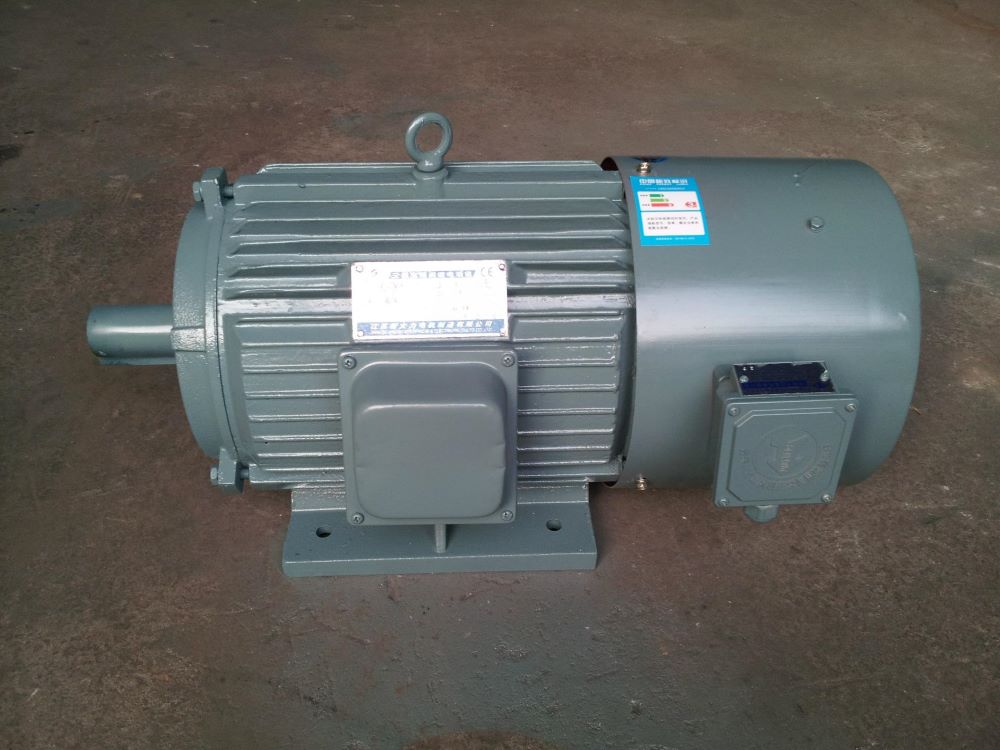
محرك التردد المتغير (VFD) هي التقنية الأكثر أهمية وراء محركات التيار المتردد ذات السرعة المتغيرة. يتحكم في سرعة المحرك عن طريق ضبط التردد والجهد المزود للمحرك.
يتكون VFD عادةً من ثلاث مراحل:
- المعدل (تحويل التيار المتردد إلى العاصمة)
- حافلة العاصمة (تخزين الطاقة وتنعيمها)
- العاكس (عودة التيار المستمر إلى التيار المتردد ذو التردد المتغير)
عن طريق تعديل تردد الإخراج, يتحكم VFD بشكل مباشر في عدد دورات المحرك في الدقيقة, تمكين التسارع السلس, تباطؤ, والتحسين القائم على التحميل.
مبدأ عمل محرك التيار المتردد متغير السرعة
محركات التيار المتردد متغيرة السرعة, وخاصة المحركات الحثية, تعتمد على العلاقة بين السرعة المتزامنة وتردد العرض.
مبدأ المحرك التعريفي
يولد المحرك التعريفي مجالًا مغناطيسيًا دوارًا في الجزء الثابت. يتبع الدوار هذا المجال الدوار من خلال الحث الكهرومغناطيسي.
تعتمد سرعة المحرك على:
- تردد العرض
- عدد الأعمدة
- شروط التحميل
باستخدام VFD لتعديل التردد, يتم ضبط سرعة المجال المغناطيسي الدوار, مما يؤدي إلى سرعة المحرك المتغيرة.
مبدأ عمل محرك BLDC ذو السرعة المتغيرة
فرش العاصمة (BLDC) تحقق المحركات سرعات متغيرة من خلال التبديل الإلكتروني بدلاً من الفرش الميكانيكية.
ردود فعل مستشعر القاعة
تكتشف مستشعرات القاعة موضع الدوار وترسل إشارات إلى وحدة التحكم, تمكين التبديل الدقيق للمراحل الحالية.
تنظيم السرعة القائم على وحدة التحكم
تقوم وحدة التحكم في المحرك بضبط تردد التبديل ودورة العمل لتنظيم السرعة وعزم الدوران الناتج.
التحكم في سرعة PWM
يحدد تعديل عرض النبض مقدار الطاقة التي يتم تسليمها إلى ملفات المحرك, مما يسمح بالتحكم الدقيق في عدد الدورات في الدقيقة.
تستخدم محركات BLDC على نطاق واسع في مجال الروبوتات, معدات الحديقة الكهربائية, أنظمة HVAC, والتطبيقات الصناعية لتصنيع المعدات الأصلية نظرًا لكفاءتها وإمكانية التحكم فيها.
مزايا المحركات متغيرة السرعة
| فائدة | وصف |
|---|---|
| توفير الطاقة | حتى 50% تخفيض الطاقة في تطبيقات الحمل المتغير |
| تحكم أفضل | تعديل دقيق للسرعة وعزم الدوران |
| انخفاض مستوى الضجيج | تشغيل أكثر سلاسة مع انخفاض الاهتزاز |
| حياة أطول | تقليل الضغط الميكانيكي على مكونات النظام |
| تحسين الكفاءة | التشغيل الأمثل في ظل ظروف التحميل الجزئي |
السرعة المتغيرة مقابل المحركات ذات السرعة الثابتة
| عامل | محرك متغير السرعة | محرك ذو سرعة ثابتة |
|---|---|---|
| التحكم في السرعة | مرن | لا أحد |
| كفاءة الطاقة | عالي | متوسط/منخفض |
| تعقيد | أعلى | بسيط |
| يكلف | أعلى مقدما | أقل مقدما |
| التطبيقات | أنظمة التحميل الديناميكية | أنظمة الحمل المستمر |
التطبيقات الشائعة للمحركات ذات السرعة المتغيرة
تُستخدم المحركات ذات السرعة المتغيرة على نطاق واسع في الصناعات التي تتغير فيها ظروف التحميل ديناميكيًا.
- جزازات العشب ومعدات الطاقة الخارجية
- أنظمة التدفئة والتهوية وتكييف الهواء (HVAC) ومراوح التهوية
- مضخات المياه وأنظمة التحكم بالسوائل
- الأتمتة الصناعية والناقلات
- الروبوتات وأنظمة التحكم في الحركة
- أنظمة الأمن (البوابات الدوارة, بوابات)
كيفية اختيار محرك متغير السرعة
يعتمد اختيار المحرك المناسب ذو السرعة المتغيرة على متطلبات التطبيق, خصائص التحميل, وتصميم نظام التحكم.
1. عزم الدوران وملف التحميل
فهم ما إذا كان الحمل هو عزم دوران ثابت, عزم الدوران المتغير, أو المتقطع أمر بالغ الأهمية لتحجيم المحرك الصحيح.
2. متطلبات نطاق السرعة
تتطلب التطبيقات المختلفة نطاقات سرعة مختلفة. تتطلب أنظمة التدفئة والتهوية وتكييف الهواء (HVAC) عادةً تعديلاً واسع النطاق للسرعة, بينما تتطلب الروبوتات تحكمًا دقيقًا في السرعة المنخفضة.
3. اختيار نوع المحرك
- المحرك التعريفي للتيار المتردد + VFD للأنظمة الصناعية
- محرك BLDC للكفاءة العالية والتحكم الدقيق
- محرك سيرفو لاستجابة ديناميكية عالية
4. الأداء الحراري
قد يؤدي التشغيل منخفض السرعة إلى تقليل كفاءة التبريد, تتطلب التبريد القسري أو تحسين التصميم.
5. توافق وحدة التحكم
ضمان التوافق بين المحرك وجهاز التحكم (سائق VFD أو BLDC) لتشغيل مستقر.
لماذا يختار مشترو OEM شركة Greensky Power
لمصنعي المعدات الأصلية والمشترين الصناعيين, لا يقتصر اختيار مورد المحركات على الأداء فحسب، بل يتعلق أيضًا بالدعم الهندسي, القدرة على التخصيص, وموثوقية سلسلة التوريد.
نقاط القوة الأساسية لجرينسكي
- هندسة المحركات BLDC لأنظمة السرعة المتغيرة
- حلول تكامل محركات التروس الكوكبية
- تصميم محرك متغير السرعة مخصص
- دعم مطابقة وحدة التحكم والمحرك
- المساعدة في تطوير منتجات OEM
الحلول التي تركز على التطبيق
- أنظمة محرك جزازة العشب
- مراوح HVAC متغيرة السرعة
- معدات الأتمتة الصناعية
- أنظمة الحركة الروبوتية
- الأجهزة الميكانيكية الذكية
تركز شركة Greensky Power على توفير أنظمة محركات قابلة للتكيف تتكامل بسلاسة مع منتجات OEM التي تتطلب أداءً متغير السرعة وكفاءة عالية.
التعليمات: محركات متغيرة السرعة
ما هو الفرق بين VFD والمحرك متغير السرعة؟?
VFD هو جهاز تحكم يقوم بضبط التردد والجهد, في حين أن المحرك متغير السرعة هو النظام الذي يستجيب لهذه التغييرات لتغيير سرعة الدوران.
هل يمكن لمحرك BLDC أن يعمل بسرعات متغيرة؟?
نعم, محركات BLDC هي محركات متغيرة السرعة بطبيعتها لأنه يتم التحكم في سرعتها إلكترونيًا عبر PWM والتحكم في التبديل.
هل المحركات متغيرة السرعة توفر الطاقة؟?
نعم, وخاصة في تطبيقات الأحمال المتغيرة مثل أنظمة التدفئة والتهوية وتكييف الهواء والمضخات, حيث يمكن أن يتجاوز توفير الطاقة 30-50%.
هل المحركات المتغيرة السرعة أكثر كفاءة؟?
في معظم ظروف التحميل الجزئي, تعد المحركات المتغيرة السرعة أكثر كفاءة بشكل ملحوظ من المحركات ذات السرعة الثابتة بسبب الاستخدام الأمثل للطاقة.
مراجع
- وكالة الطاقة الدولية (وكالة الطاقة الدولية) – كفاءة الأنظمة الحركية https://www.iea.org
- نحن. قسم الطاقة – أنظمة المحركات والقيادة https://www.energy.gov
- اللجنة الكهروتقنية الدولية (IEC) المعايير https://www.iec.ch
- نظرة عامة على تقنية محرك السرعة المتغيرة ABB https://global.abb
- وثائق أنظمة القيادة من سيمنز https://www.siemens.com
- تقنيات التحكم في المحركات Nidec https://www.nidec.com
- تطبيقات محرك السرعة المتغيرة WEG https://www.weg.net